



India is emerging as a global trade powerhouse

In just three decades, India has vaulted from economic newcomer to one of the world’s most dynamic trading powers, shifting itself into the global center of economic gravity.
The 2025 fiscal year (FY25) is a powerful example of that trajectory. During this time, the country’s total exports climbed 6.01 percent year-on-year to a record US$824.9 billion (€710.3 billion), primarily driven by service exports.
DHL research also indicates that India is set to generate 6 percent of all additional global trade between 2024 and 2029 – behind only China (12 percent) and the United States (10 percent).
Underpinning this momentum is a mix of structural reforms, expanding industrial capacity, and world-leading strengths in technology and services. Since the 1990s, India has reduced trade barriers and opened its economy to investment, creating a more competitive export environment. Its globally scaled IT and business-services sectors, fast-growing manufacturing industries, and young, skilled workforce have deepened its integration into global value chains. Strong domestic demand and ongoing supply chain shifts are further boosting trade prospects.
Together, these forces have transformed India from a protected economy into a confident outward-looking trading nation. But for enterprises looking to capitalize on this trade momentum, the focus should remain on high-growth sectors that are likely to drive the country’s next wave of expansion.
More importantly, businesses need to understand how India’s role in world trade will remain resilient in a rapidly evolving global economy.
Igniting the critical trade expansion engine

As India deepens trade ties with key markets such as the United States, the European Union, and Southeast Asia, its strong position in the global life sciences and healthcare (LSHC) sector is emerging as a major driver of trade expansion. It is already a global leader in generic pharmaceuticals and vaccines, supplying around 60 percent of the world’s vaccines and roughly 20 percent of global generic medicines by volume.
Robust government support is also opening up opportunities. Take the country’s Production Linked Incentive Scheme, which offers financial incentives to companies that expand production in key strategic sectors. The scheme attracted nearly US$18 billion in investment in 2024, with the pharmaceutical and medical-device segments among the leading beneficiaries. Policies such as the National Biopharma Mission and the National Medical Devices Policy, along with incentives for bulk-drug parks and medical-device parks, are further accelerating sector growth.
These initiatives have paved the way for logistics firms such as DHL, which is investing around €1 billion in India by 2030 to support the country’s growth ambitions across high-value sectors. One example is the DHL Health Logistics Excellence Centre, a 150,000-square-foot facility in Mumbai and Bhiwandi, which adds to its existing network of more than 30 cold chain facilities in India.
“Our DHL Healthcare Logistics Platform is an end-to-end solution for life sciences and healthcare companies. In addition to temperature-controlled warehouses, our Life Track system & control tower can help our customers track their shipments from delivery to storage and even direct to patient,” said Vikas Anand, Managing Director, India, DHL Supply Chain.

Powering the clean energy transition
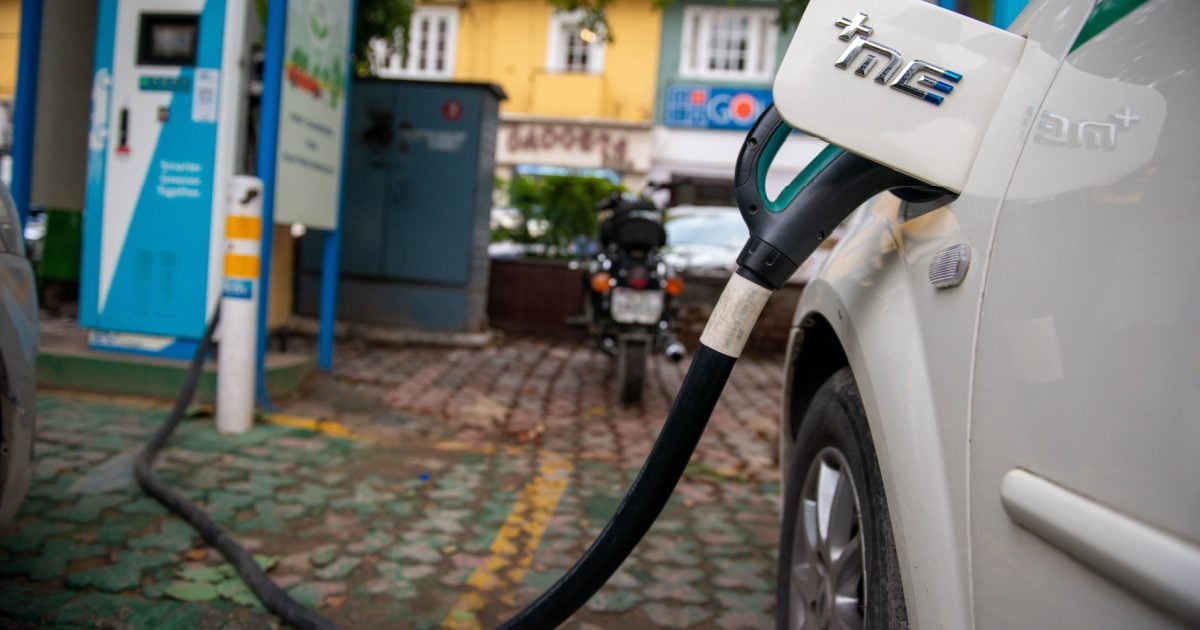
India's new energy momentum is clearly visible in its electric-mobility push. The country has set aggressive EV adoption targets for 2030, supported by policies that promote domestic EV and battery manufacturing under the Make in India mission. Achieving these targets to put tens of millions of electric vehicles on Indian roads and establishing India as a global hub for EV production and components requires a nudge from the right partners. “Our focus on New Energy aligns with India’s ambition for clean energy and electrification. That is why we are setting up the EV and Battery Logistics Center of Excellence (COE) by Q4 2025, and will expand its service offerings in 2026,” said Edwin Pinto, Managing Director, India, DHL Global Forwarding. The centers will initially focus on setting up a Free Trade Warehouse Zone (FTWZ) for inbound battery logistics in Chennai by 2025, followed by Mumbai in 2026. Subsequently, DHL will turn its attention to warehousing solutions for the battery aftermarket segment, and in-plant operations for gigafactories or Original Equipment Manufacturers (OEMs).
India’s new energy sector, however, is more than just its EV ambitions. In 2025, it achieved 50 percent of its installed electricity capacity from non-fossil fuel sources – five years ahead of its 2030 target. It already ranks fourth globally in renewable energy capacity, with solar and wind installations accelerating. These successes are helping the country’s new energy sector attract strong international investment, including about US$3.4 billion in foreign direct investment in the first three quarters of FY25 alone – an eightfold increase since FY21.
All this is reinforcing India’s emergence as a key player in global clean energy supply chains and strengthening the long-term trade outlook.

Putting e-commerce and digitalization on the global stage
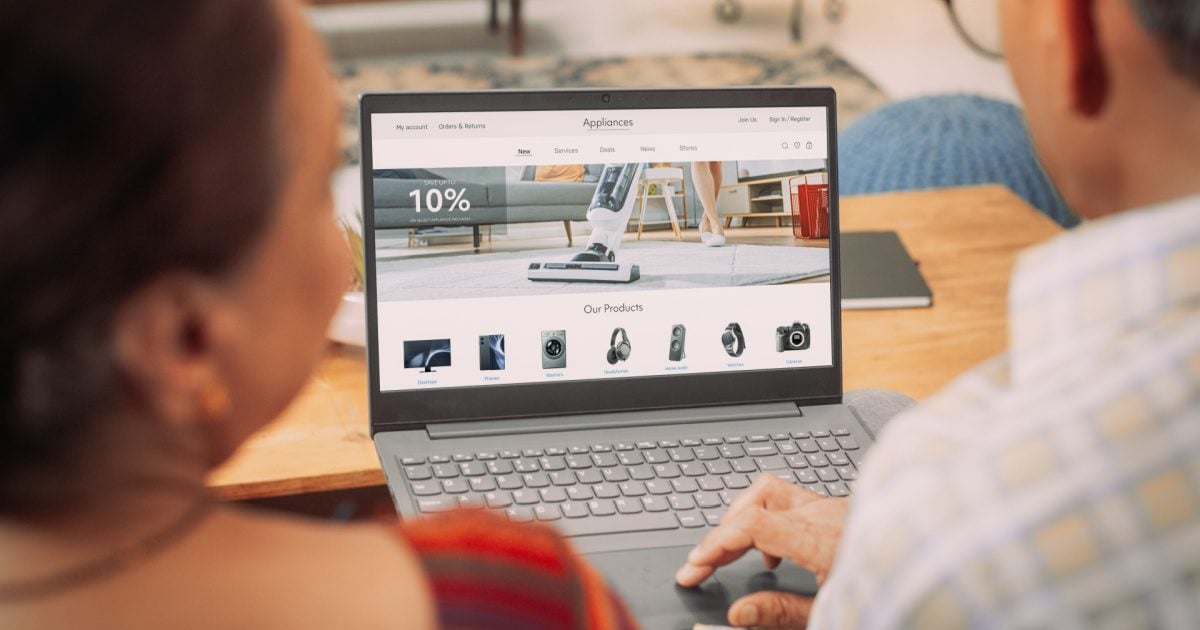
Valued at roughly US$107.7 billion in 2024, India's e-commerce market is projected to exceed US$325 billion by 2030.
This e-commerce surge is being fueled by a vast and increasingly connected consumer base, with smartphone adoption and digital payments bringing millions of new shoppers online. In the recent DHL eCommerce Trends Report, 98 percent of survey respondents in India use smartphones for online shopping, with 91 percent of them using the platform’s digital wallet for payment. Research also shows that digital payments saw a year-on-year transactional volume growth of 42 percent in FY24 and are poised to grow by three times in FY29.
At the same time, rising demand for faster delivery, expanded fulfillment capacity, and reliable cross-border shipping is placing greater emphasis on high-quality logistics. To that end, part of DHL's €1 billion investment will be channeled toward upgrading Blue Dart’s infrastructure, network, and capacity, as well as expanding its last-mile reach and delivery centers nationwide. “A key focus will be on automation and advanced technologies that enhance operational efficiency and support rapidly rising e-commerce volumes,” said Balfour Manuel, Managing Director, Blue Dart.
India is also leveling up by investing heavily in multimodal transport corridors, digitizing customs and supply chain processes. Furthermore, the country is also incentivizing modern warehousing to support faster delivery, larger fulfillment networks, and more reliable cross-border trade.

Geographic tailwinds forging stronger global links
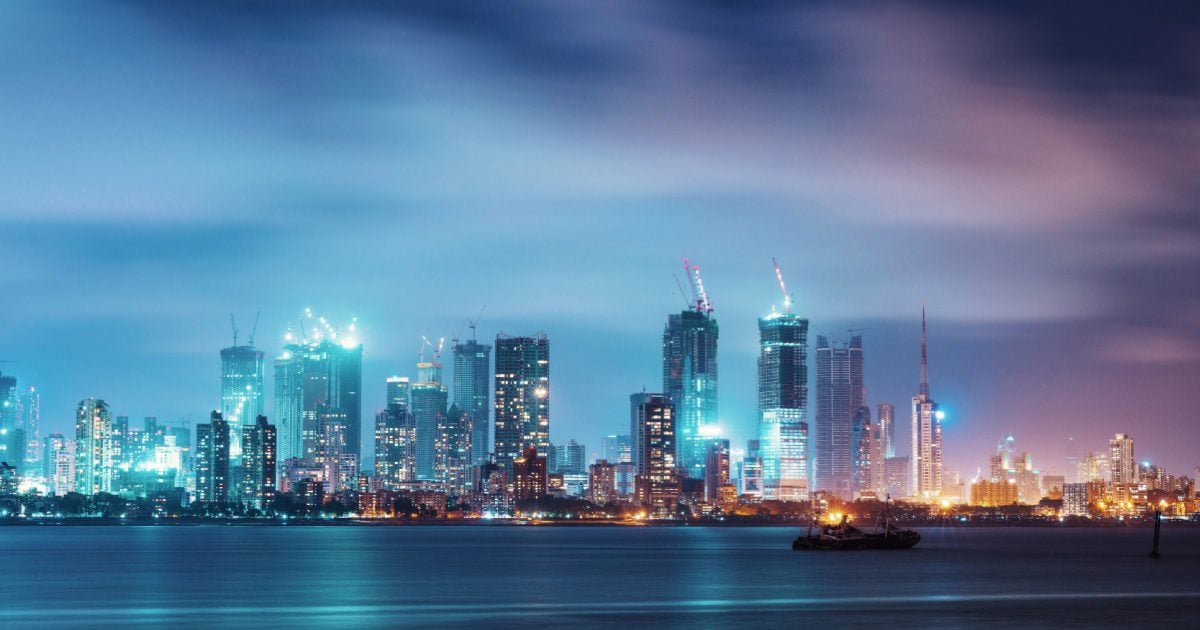
India’s position at the crossroads of fast-growing trade routes and expanding global supply chains gives it a distinct advantage in trade connectivity.
As the DHL Global Connectedness Tracker indicates, goods are travelling longer distances than ever. India is increasingly benefiting from this shift as companies diversify sourcing beyond traditional hubs. Its average goods trade distance is expected to reach 6,190 kilometers in 2025, reflecting deeper integration into global supply chains and a more diversified set of trade partnerships. This shift is helping to cement India’s position as a key node in long-distance, high-value global commerce despite ongoing uncertainties in the wider world economy.
While India’s trade momentum is accelerating, businesses may still face hurdles, including regulatory complexity and competition for talent. To navigate this landscape, companies need reliable logistics partners that can ensure compliance and strengthen operational resilience.
“As supply chains evolve to become more resilient, they also become more complex – from new supplier ecosystems to customs declarations. Our certified logistics experts and digital tools such as MyGTS help customers simplify these challenges to keep their businesses moving forward,” said R.S. Subramanian, SVP - South Asia and Managing Director, India, DHL Express.
Enabling India’s trade ambitions
As these factors indicate, India’s ascent as a global trade powerhouse is accelerating, powered by high-growth sectors and deepening global connections.
With around €1 billion committed to India’s trade infrastructure, sustainable logistics, and digital innovation through to 2030, DHL is uniquely positioned to support the country’s expanding trade ambitions. More importantly, it is helping businesses harness this momentum for manufacturing and cross-border growth, while ensuring that India’s role in global commerce continues to expand.

ALSO WORTH READING






 English