



Renewable nanogrids are powerful providers in times of crisis

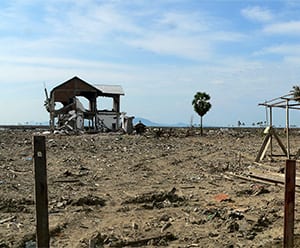
Disaster movies have been depicting climate disasters such as typhoons, floods, wildfires, and hurricanes tearing through infrastructure and upturning communities with absolute intensity and realism.
Reel life, however, is closer to real life than you would think.
The United Nations reports that the number of weather-related disasters has increased fivefold over the past 50 years, with the cost of damages now exceeding US$200 billion annually. Among the crippling repercussions of these disasters, power outages are among the most devastating. In 2022, Hurricane Ian left 2.6 million residents in Florida without power.
When grids fail, and emergency and communications services go dark, everything comes to a standstill. But unlike in the movies, where a fictional superhero swoops in to save the day, the real world must rely on resilience and preparedness to pull itself out of crisis.
Nanogrids – portable power to save the day
Enter renewable nanogrids, which are emerging as an effective way to deliver reliable, clean power where it is needed most. Unlike diesel generators, nanogrids do not depend on conventional fuel supply chains. These portable systems combine solar panels with batteries, harnessing the sun’s readily available energy.
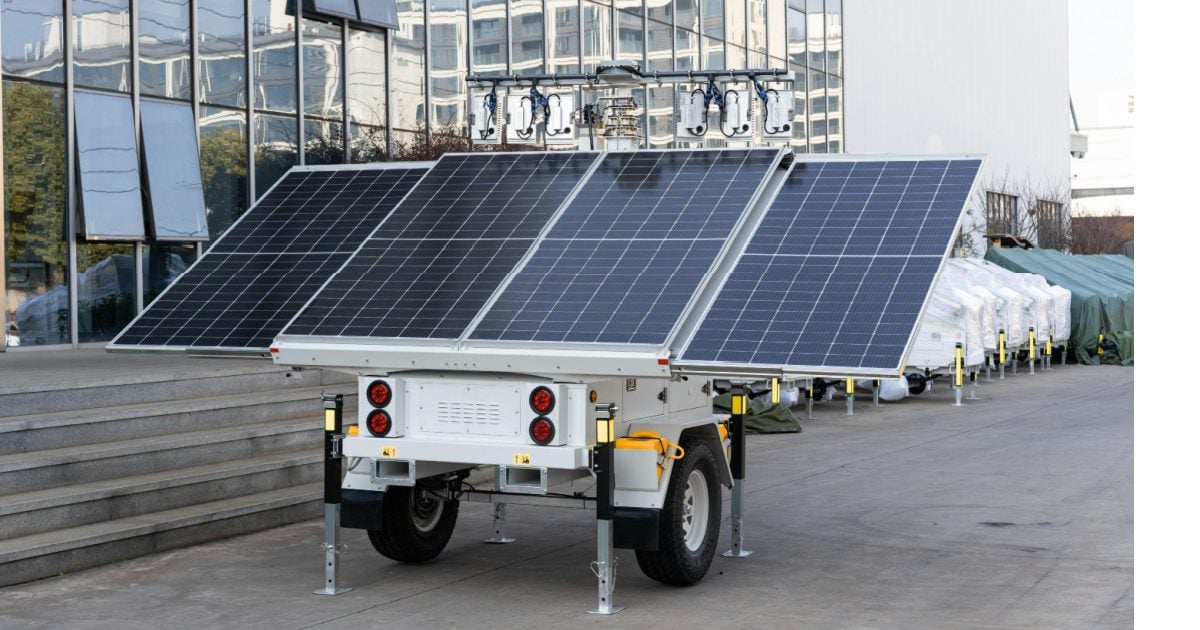
When emergencies hit, every second matters. Staged in advance, nanogrids can be deployed within hours, powering shelters, hospitals, and community hubs before survivors are left in prolonged darkness.
Consider Puerto Rico after Hurricane Maria in 2017, when millions lost power for months and went on to experience intermittent power for years. Amid the post-crisis state of affairs, portable solar+battery kits provided to medical clinics allowed refrigerators to keep insulin cold and powered ventilators when generators failed.
Similar initiatives have been deployed in the Philippines and Nepal, where typhoons and earthquakes often devastate fragile grids. In the Philippines, Light of Hope PH offers portable solar kits to those who need it, as an alternative to flammable kerosene lamps and pricier diesel generators. The organization manages the electronic waste generated, ensuring a closed loop that does not contribute to its accumulation.
In Nepal, Direct Relief has coordinated with local partners to construct a local hospital, which opened in 2024 with a backup solar system. The surplus energy generated is fed back into the electrical grid and credited to the electrical authority, generating additional income for the hospital.
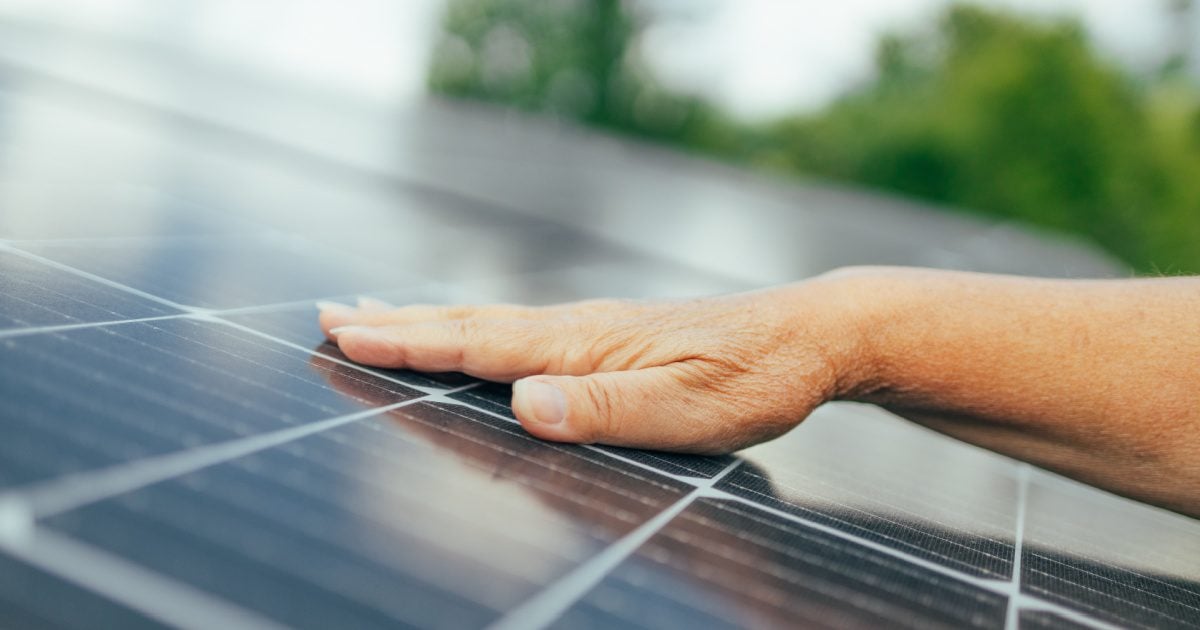
Mini-grids powering clinics and schools in Kenya and Nigeria enable essential refrigeration for vaccines and extended study hours through reliable lighting. A knock-on effect from powering the schools was an increase in gender equality as women gained more opportunities in decision-making.
In humanitarian settings like Rwanda’s Nyabiheke refugee camp, hybrid solar-mini-grid systems cut total costs by up to 32 percent and emissions by 83 percent, with payback times under seven years. Meanwhile, modern mobile renewable systems that combine solar, batteries, and smart control can be deployed in under 15 minutes, offering clean, autonomous power to clinics, classrooms, or telecom sites during crises.
Logistics: Always ready to go and help
Power is nothing without planning, and disaster preparedness demands the same approach. Foresight and planning enable organizations to anticipate challenges.
Research from the Organisation for Economic Co-operation and Development (OECD) shows that pre-positioned assets reduce downtime compared to post-disaster mobilization. Every minute saved translates into lives saved, medicines preserved, and infrastructure protected. With nanogrids positioned close to vulnerable regions, communities can avoid the delays that cripple relief efforts, once supply routes or airports are damaged. Pre-positioning emerges as a cornerstone of resilience.
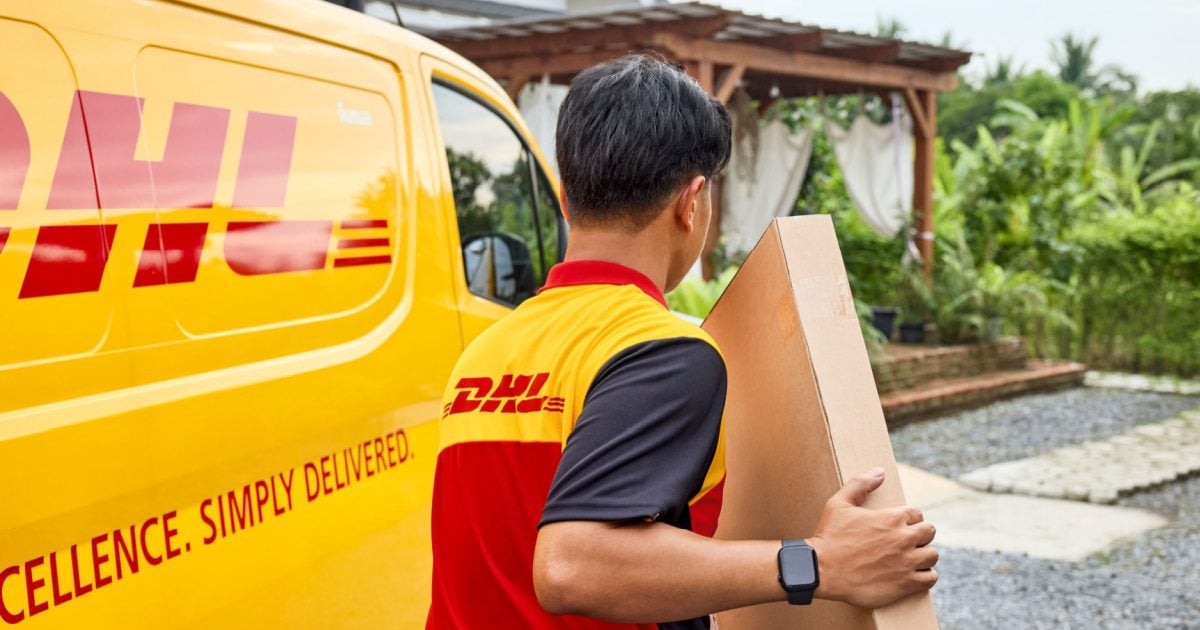
DHL’s logistics capabilities are invisibly enabling resilience on a global scale, positioning it as a critical partner in disaster readiness. In the aftermath of a natural disaster, the speed at which relief supplies reach affected communities can determine survival.
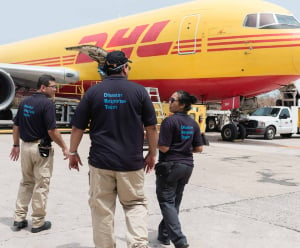
DHL’s GoHelp program was created to apply the logistics company’s expertise to accelerate and improve the movement of incoming aid. At the global level, the program operates through two interconnected pillars: disaster response and disaster preparedness.
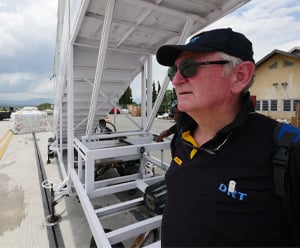
Disaster Response Teams (DRTs) are deployed to airports that require support, working under activation from the United Nations Office for the Coordination of Humanitarian Affairs (OCHA).
Meanwhile, the Get Airports Ready for Disaster (GARD) initiative, developed in partnership with the United Nations Development Programme (UNDP), equips airport personnel and local disaster management agencies with the training they need to manage sudden surges in humanitarian cargo more effectively.
A logistics arsenal at your fingertips
The unpredictability of disasters means that even the best-laid plans can go awry. To keep moving when the going gets tough, essential capabilities must already be in place and ready to be activated when needed. The successful implementation of nanogrids can be established by the following solutions:
Climate-controlled warehouses: Nanogrid batteries are highly sensitive to heat and humidity and require stable, temperature-controlled conditions to function effectively. Climate-controlled warehouses help to preserve performance and safety.
Specialized transport: Disaster-damaged terrain can result in unfavorable transport conditions such as blocked roads and washed-out bridges. Specialized handling of nanogrid units that can weigh several tons through the use of specialized vehicles, cranes, and sometimes even airlifts, can help rescue efforts to circumvent obstacles.
Trained deployment teams: Nanogrid deployment and activation requires the expertise of skilled personnel who assemble, configure, and activate systems and kits on the ground. Nimble coordination between logistics providers and relief workers support their efforts to ensure quick deployment times.
Tracking systems: In the fog of disaster, essential information can get lost amid a communications storm of noise and unverified reports. Tracking systems ensure shipments are accurately monitored and routed, preventing equipment from becoming stranded or misrouted and ensuring it reaches the exact shelter, hospital, or community it is intended for as swiftly as possible.
Preparedness matters
In an era where climate extremes are no longer outliers but the new normal, renewable nanogrids offer more than emergency power; they offer hope for communities. When paired with robust logistics, strategic pre‑positioning, and the right expertise, these portable systems transform from clever technology into life‑preserving infrastructure.
Drawing power from sunlight and batteries, renewable nanogrids exude a quiet confidence of being ready before they are needed. They might not feature (yet) in movies or in comic books. But their role in times of crisis is nothing short of heroic.
ALSO WORTH READING






 English