



5 High-Voltage Facts That Keep Formula E Fully Charged

Key takeaways
- Formula E batteries require specialist logistics. Classified as dangerous goods, they demand strict compliance, certification, and specialized handling across global transport networks.
- Specialized safeguards protect high-performance batteries. Low charge levels, certified packaging, and specialist handling help prevent transport-related incidents.
- Battery logistics scale far beyond race cars. Moving dozens of batteries, chargers, and equipment requires extensive planning and global coordination.
Behind every Formula E race lies a complex global logistics operation involving specialist handling, dangerous goods expertise and months of planning. As Formula E’s founding logistics partner, DHL helps move batteries, race cars, charging systems and equipment around the world safely and compliantly.
At the very core of this battery movement is the expertise demonstrated by DHL in providing end-to-end New Energy logistics solutions across the ecosystem, from renewable power generation and energy storage to electric mobility, charging infrastructure, and hydrogen.
Backed by more than 12 years of industry expertise, 750 dedicated experts, and a presence spanning over 12,000 facilities in more than 100 countries, the sector helps customers move critical components safely, compliantly, and efficiently at every stage of the value chain.

Here are five fascinating facts you may not know about the batteries powering the world’s premier electric racing series, and the DHL team that specializes in the transportation from race-to-race.
1. Formula E batteries are officially classified as dangerous goods
Transporting high-performance energy storage systems safely is every bit as complex as developing them. They may power a clean-energy racing championship, but Formula E batteries are treated as hazardous cargo when they are transported across borders.
DHL’s expertise in the New Energy sector, especially in dangerous goods handling, made it the right partner to ship large lithium-ion batteries that are classified as Class 9 dangerous goods.
For Formula E, every battery movement is tightly controlled. Special aviation approvals are required, and detailed certification records accompany each battery throughout its journey from the warehouse to the racetrack.
2. Each Formula E battery travels with less than 30 percent charge
Unlike your smartphones that leave your house with a 100 percent battery, Formula E batteries do not travel fully charged.
Instead, DHL moves the Formula E batteries at a controlled state of charge of below 30 percent, which is a regulation safety measure for shipping lithium-ion batteries. The reduced amount of stored energy minimizes the risk of an incident occurring during transportation.
Given the sophistication and value of Formula E battery systems, preservation of battery condition is also a top priority for race teams. Maintaining a low charge level also helps protect battery health during long-distance transportation.
View this post on Instagram
3. Formula E batteries are protected with absolute precision and specialized handling
A Formula E battery isn’t simply placed in a crate and shipped.
DHL’s specialized team ensures each unit is meticulously packed in a purpose-built aluminum transport case encased in engineered protective foam. These containers are designed to shield the batteries from vibration, impacts, and environmental stress throughout the journey by road, sea, or air.
When you consider the number of handling points in the journey of a Formula E battery—from warehouses and airports to race venues—the importance of robust packaging to minimize the risk of damage is obvious.
View this post on Instagram
4. One battery can power a race car at 320 km/h
What is the biggest battery pack you can bring on commercial flights? 100 watt-hours. DHL takes it to the next level by 500 times, transporting batteries that each contain around 50,000 watt-hours of energy.
With its 47kWh capacity, a 284-kilogram Formula E’s third-generation race car technology uses a battery that supports power outputs of up to 350kW, delivering enough energy to propel a race car to speeds of up to 320 km/h. The battery is also capable of recovering more than 40 percent of its energy through regenerative braking, enabling one of the most efficient race cars ever built.
View this post on Instagram
5. A race weekend requires an entire fleet of batteries. And not just the ones in the cars
Most fans see 22 race cars on the grid. What they do not see is the battery logistics operation behind them, which took 20 DHL trucks to move the Formula E batteries.
Approximately 31 batteries are moved for a typical race weekend, including those installed in vehicles and separate spare units. Around 10 spare batteries travel independently and are individually certified. Interestingly, batteries already installed in Formula E cars are generally considered safer for transport because they are secured and protected within the vehicle structure.
With each battery weighing around 300 kilograms, battery transport alone involves moving well over 10 tons of highly specialized equipment across continents. And that does not even include spare parts, charging systems, and race infrastructure!
A Race to Power the Future
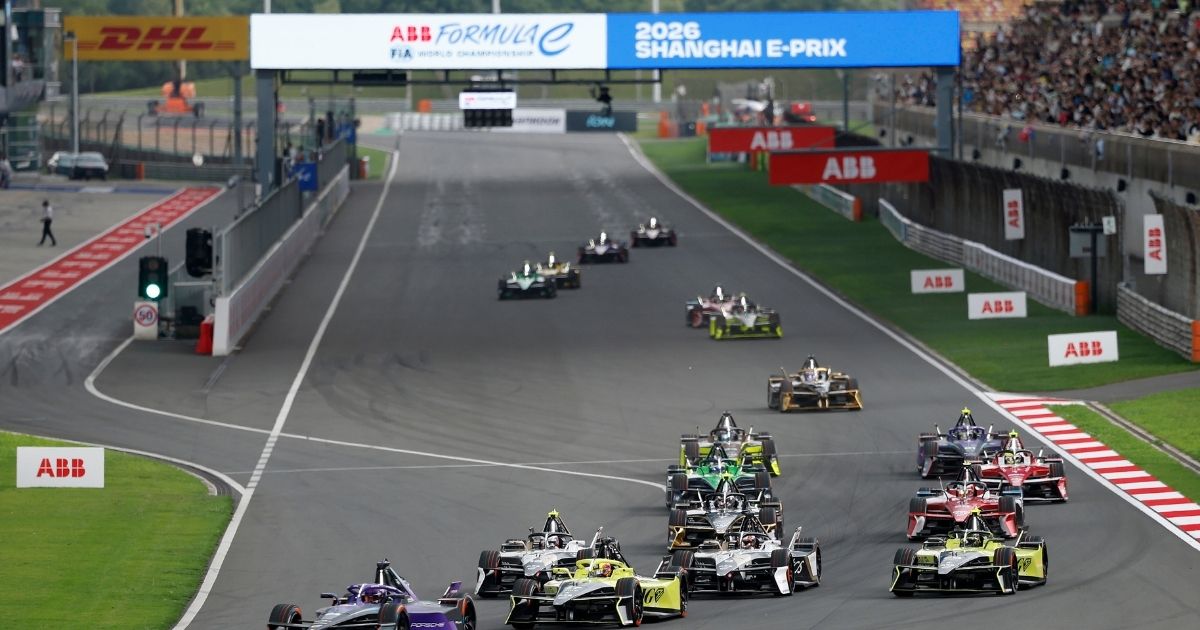
Formula E showcases far more than electric racing. It highlights the growing importance of safely transporting, storing and managing advanced battery systems across global supply chains.
From dangerous goods compliance and specialized packaging to rigorous certification, getting a Formula E battery to the starting grid involves a wide range of expertise long before the lights go green.
As electrification accelerates across industries, the lessons learned from moving some of the world’s most advanced motorsport batteries are shaping the future of battery logistics everywhere.
ALSO WORTH READING





 English