



From Mine to Mega-Grid: The Supply Chain Complexities of Battery Energy Storage

Key takeaways
- BESS are critical to the global energy transition. Rapid growth in utility-scale battery storage underpins renewable energy integration but depends on mastering complex global supply chains.
- Material sourcing and battery chemistry shape resilience. Geopolitical risks and mineral concentration have driven a shift to LFP batteries, reducing reliance on cobalt and nickel but increasing bulk logistics complexity.
- Logistics excellence enables large-scale BESS deployment. Safe transport, regulatory compliance, regional diversification, and end-to-end visibility are essential to keep high-value, hazardous BESS projects on schedule.
Battery energy storage systems (BESS) form the bedrock of the world’s renewable future, enabling systems that create electricity from the sun and wind. To this end, BESS represents the global shift toward a stable, sustainable green energy grid. In 2025 alone, global utility-scale battery storage deployments surged to a whopping 43 percent, and are slated to continue growing at an average annual rate of 10.8 percent from 2024 to 2034.
The growing importance of BESS is undeniable, and companies must manage the significant logistical challenges that come with its adoption. The journey of a battery—from raw material extracted in remote mines to a multi-megawatt containerized grid installation—is highly fragmented.
This is a journey fraught with geopolitical friction and volatile material sourcing, and it requires specialized transportation. To deploy BESS at the scale required for global climate targets, the energy sector must first master the intricate global supply chains that make them possible.
Unearthing critical minerals and pivoting to lithium iron phosphate (LFP)
Every utility-scale BESS begins underground. Historically, significant amounts of lithium, cobalt, and nickel have been unearthed to fuel the energy storage sector. These minerals are used in high-density chemical recipes to generate energy for consumer electronics and early electric vehicles.
However, the upstream supply chain for these critical minerals is fraught with bottlenecks. Mining operations are geographically concentrated in a handful of regions, including the Lithium Triangle in South America—consisting of Chile, Argentina, and Bolivia—which holds more than 75 percent of global lithium supply, and the Democratic Republic of Congo's cobalt mines. And aside from the time-intensive extraction and refining processes, manufacturers also have to grapple with price volatility, export restrictions, and geopolitical shifts.
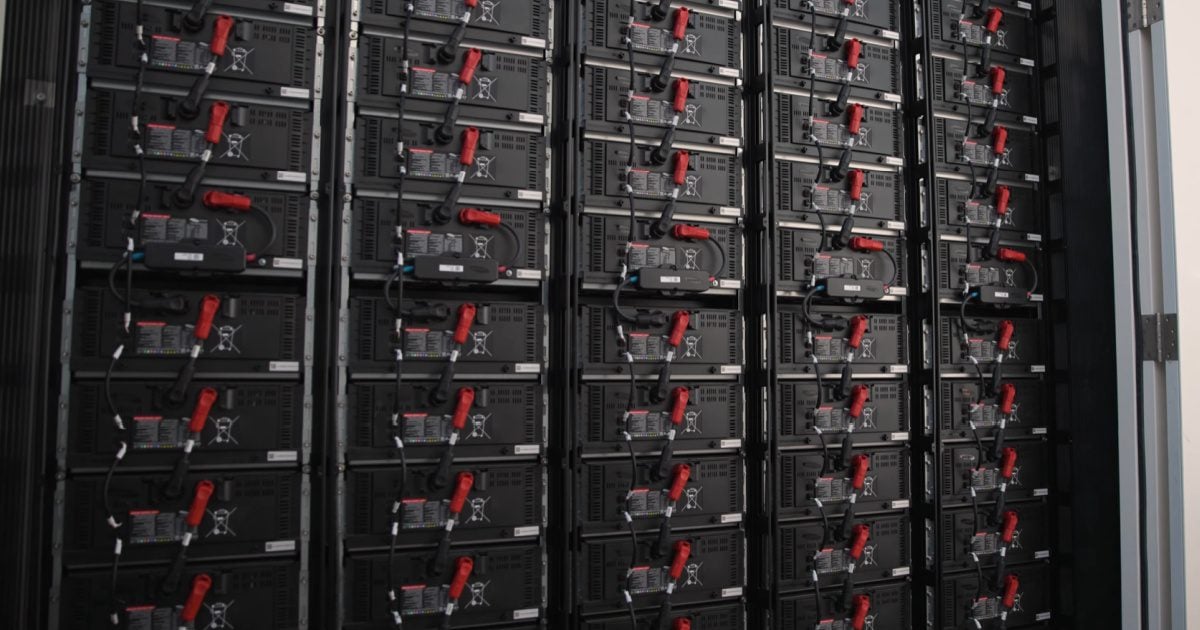
To build resilience against these upstream shocks, the stationary storage industry has rapidly pivoted toward alternative, highly scalable chemistries, most notably Lithium Iron Phosphate (LFP). Notably used in the production of lithium-ion batteries for electric vehicles, LFP is the dominant component in utility-scale BESS. As LFP-infused batteries completely bypass the need for scarce, controversial cobalt and expensive nickel, they present a safer, more durable, and cost-effective solution for stationary grids.
However, the use of LFP also presents significant logistical challenges. Due to the sheer volume of lithium carbonate and refined iron phosphate required to meet utility-scale needs, bulk material logistics involving heavy freight must be deployed to transport raw materials from remote mines to chemical processing plants.
Journeying through global manufacturing hubs and trade routes
Once refined, the active chemical material is transformed into battery cells in specific geographical regions. Accordingly, established maritime shipping lanes are rerouted as global trade routes shift towards these regions. One such region is China, which dominates the midstream and downstream battery manufacturing landscape to drive the global growth of electric vehicles. The country’s massive manufacturing capability extends into the stationary storage market, with its gigafactory capacity and advanced refining infrastructure dictating the rhythm of the global BESS supply chain.
However, the BESS supply chain map is actively expanding. To capture more of the economic value chain and reduce global reliance on a single market, resource-rich nations are aggressively developing their own manufacturing hubs. A prime example is the rapid industrialization occurring in Southeast Asia.
Driven by vast domestic nickel reserves and strict export policies, Indonesia has shifted gears to become an EV hub. By restricting the export of raw ore and heavily incentivizing domestic processing and battery cell manufacturing, the nation is establishing its place in the global supply network.
Vietnam has notably developed its own BESS market in response to several power system challenges, including regional supply-demand imbalances and a lack of conventional peak-shaving capacity. To this end, Vietnam Electricity, the country’s sole public power company, has formulated BESS deployment plans that stretch from 2026 and 2030. These plans include numerous BESS installations distributed across Hanoi and other adjacent load centers.
For supply chain managers, this geographical diversification means navigating an array of maritime routes, assessing emerging port infrastructures, and managing highly decentralized supplier networks across Asia Pacific to feed final BESS assembly plants.
Orchestrating cross-border logistics flows for uninterrupted production
It is within this globalized system that logistical complexities arise, as massive multi-ton BESS enclosures must be transported across borders intact and on schedule. BESS supply chains are highly sensitive to disruption, and moving these systems across the globe is not as simple as loading standard commercial freight.
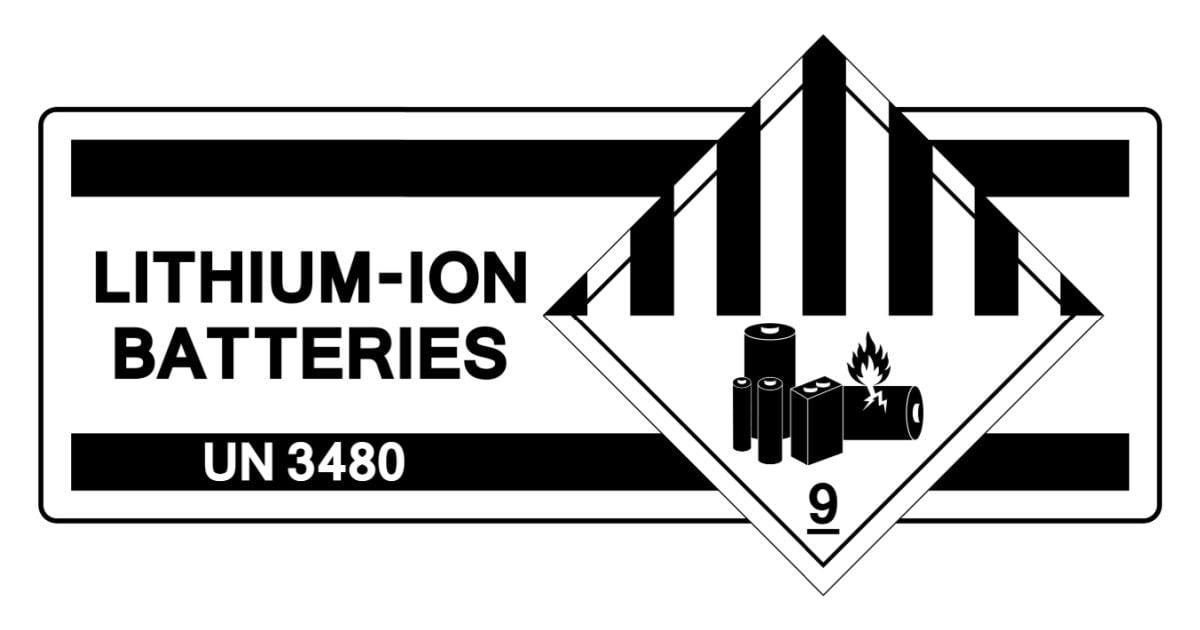
Coordinating cross-border logistics for BESS involves navigating a labyrinth of strict international customs and safety standards. High-capacity lithium-ion batteries are classified as Class 9 dangerous goods by the International Air Transport Association (IATA) as they are highly flammable, exceptionally sensitive to environmental factors, and may even explode if damaged.
Such batteries must thus be handled with extreme care. This involves using highly specialized packaging, deploying rigorous temperature-monitoring systems, and implementing certified handling protocols to mitigate the risk of thermal runaways during transit.
Logistics providers must then assess the safest and most efficient mode of transport. While specialized ocean freight may be preferred, shipping lithium-ion batteries by air is also a viable choice. For air freight, the batteries must be clearly labeled as dangerous goods, have a state of charge (SOC) not exceeding 30 percent, and be isolated from each other.
Utility-scale BESS projects also operate on unforgiving deployment schedules. Just one delay in a single critical component such as an inverter, a thermal management system, or even just the battery racks, can stall a multi-million-dollar grid installation and incur massive contractual penalties.
Additionally, BESS manufacturers must maintain uninterrupted production cycles by balancing just-in-time (JIT) inventory practices with strategic safety stock, necessitating absolute end-to-end supply chain visibility. As a result, developers increasingly rely on integrated logistics partners to track heavy-lift cargo throughout the entire supply chain, from outbound port facilities to final-mile deliveries at geographically challenging inland project sites.
Strategic logistics is the way forward for building BESS supply chain resilience
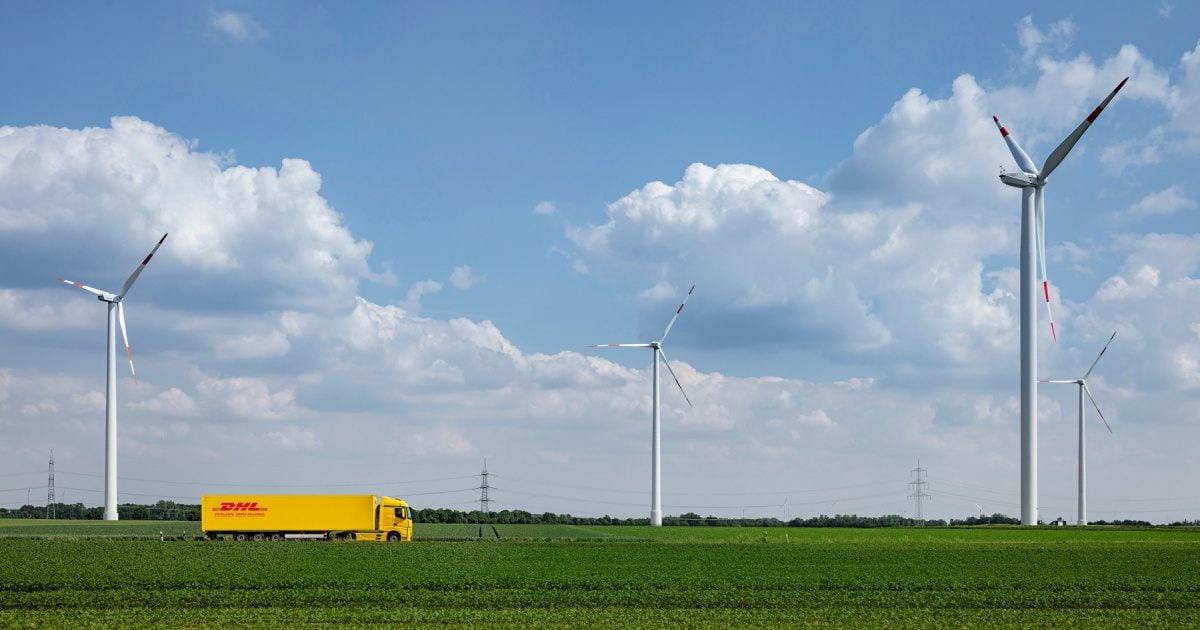
As the energy storage market continues to expand, the vulnerabilities of highly extended, single-source supply chains become increasingly apparent. To keep pace with the world's burgeoning demand for renewable energy stabilization, BESS manufacturers and grid developers must rethink their logistics networks.
Agility and resilience are now the ultimate currencies in the new energy sector. There is a strategic shift toward nearshoring and regionalization, both of which bring battery module assembly and heavy BESS integration closer to end-user markets in North America and Europe. This strategy insulates mega-grid projects from the transpacific shipping bottleneck, reducing overall transit lead times.
However, it is not possible to fully localize a BESS supply chain. Until then, to power a sustainable future, masterful supply chain management is required, with forward-thinking, robust logistics solutions used to coordinate the safe transport of heavy, hazardous, and vital components.
ALSO WORTH READING




 English