



The Towering Task: 3 Key Considerations for Transporting Wind Turbine Towers

Key takeaways
- Wind energy is expanding rapidly worldwide. Record installations highlight wind power’s growing role in global renewable energy generation.
- Transporting wind turbines requires specialized logistics. Oversized components demand dedicated vehicles, vessels, route planning, and regulatory approvals.
- Location heavily influences transport complexity and costs. Remote, onshore, and offshore sites require tailored logistics solutions and infrastructure upgrades.
Wind is among the cheapest sources of energy in the world, according to the International Renewable Energy Agency (IRENA). It is also one of the two sources of renewable energy that make up 95 percent of all global renewable capacity growth.
It is no wonder that a record 117 GW of wind energy was installed across the world in 2024, based on the Global Wind Report. The Asia-Pacific region saw a 7 percent year-on-year growth rate, while Africa and Middle East saw a 107 percent year-on-year growth rate.
Understanding the weight of the matter
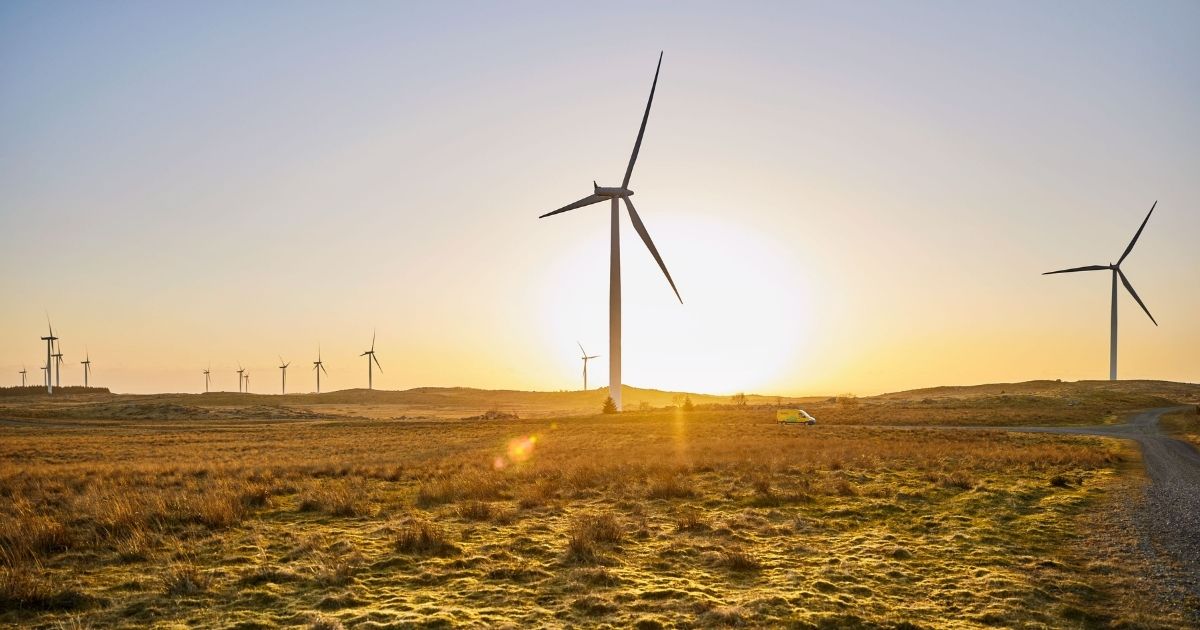
Wind turbines harness wind energy. But what exactly are wind turbines?
They are devices that convert energy from moving air into electrical energy. A propeller-like rotor is connected to a generator. As the wind blows, the rotor blades turn, spinning a shaft that powers the generator to produce electricity.
A wind turbine is generally made up of the following components:
- Blades: Three blades, each weighing up to around 33 tons and measuring up to around 88m.
- Tower: The tower is made of modular steel sections, each weighing between 15 and 50 tons and reaching up to 260m in height when assembled.
- Nacelle: A massive nacelle, which houses the turbine's generator and gearbox, sits at the top of the tower.
Transporting a wind turbine to its intended location is where the real challenge begins. Wind turbines are considered oversized and overweight cargo, so every aspect of the journey must be carefully considered.
1. Wind farm location
A wind farm's location is the most critical factor in determining the complexity and cost of wind turbine transportation. Logistics for onshore and offshore wind farms differ significantly.
Onshore wind farms
Onshore wind farms are typically located on land in remote, windy areas. The challenge is navigating components through existing networks using specialized vehicles or trains. Upfront costs are high. Short-distance shipments cost roughly US$30,000 (€25,900) to US$40,000 (€34,500) per turbine, while long-distance shipments typically exceed US$100,000 (€86,300) per turbine.
Offshore wind farms
Meanwhile, offshore wind farms are built in the oceans. This process is even more expensive and complex than onshore transport because it requires higher investment in specialized vessels and installation equipment. Developers can expect to pay US$200,000 (€172,500) or more to transport a single turbine.
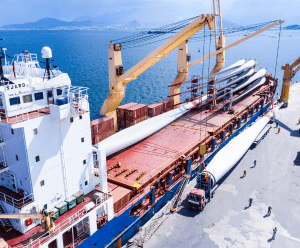
Components are shipped to a coastal port with large staging areas. They are then loaded onto heavy-lift ships or barges for transport across the ocean. From a staging port, a fleet of offshore vessels handles the final delivery and installation at sea.
2. Specialized vehicles and vessels
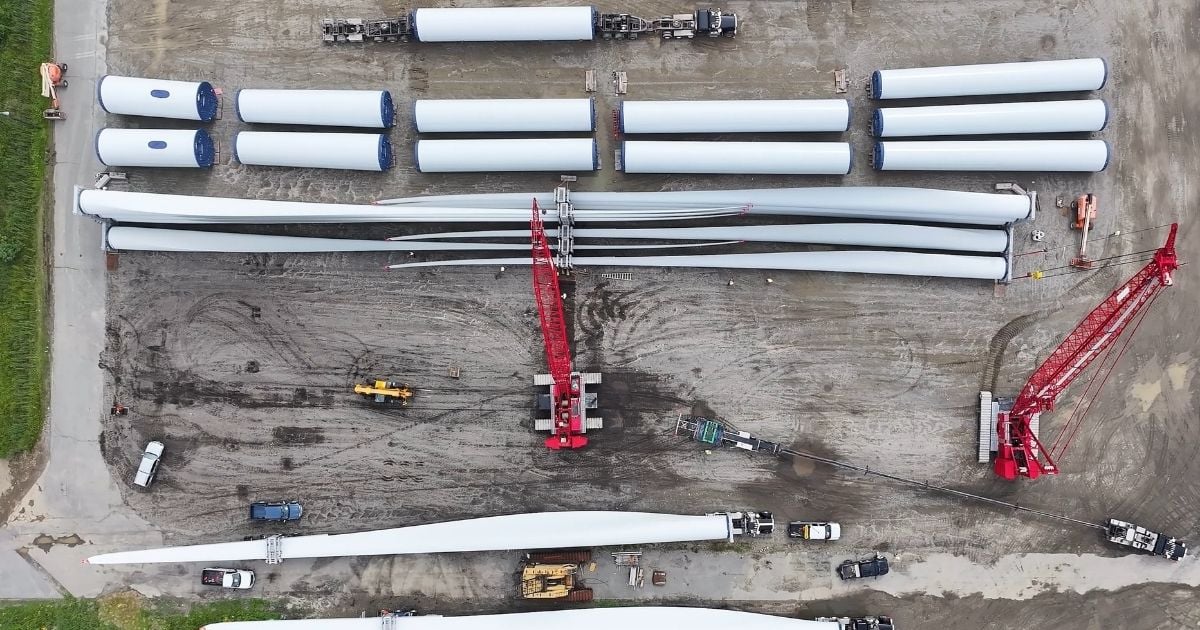
A fleet of specialized vehicles and vessels is essential for safe and efficient transport of wind turbine components.
Land transportation
Multi-axle trailers carry the heaviest cargo on the road—the turbine's nacelle. These trailers have dozens of wheels, which help spread out the massive weight of a 68-ton nacelle evenly. This prevents damage to bridges and pavement that the vehicle traverses and keeps the load stable for the entire trip.
Meanwhile, extendable flatbed trailers have frames that can extend to match the wind turbine’s blades, which are the longest sections of a wind turbine. These trailers can extend their frames to match the incredible length of a blade, which can stretch up to around 88m. This design helps maintain stability and balance even with a very long, awkwardly shaped load, ensuring the blades safely arrive at their destination.
Lastly, Schnabel trailers are specialized vehicles designed to transport the tower sections of a wind turbine. Instead of simply carrying the load, these trailers cradle the tower section and integrate it directly into their structure. This not only secures the cargo but also reduces stress on the tower during transport and provides greater maneuverability, which is essential for navigating tight routes.
For greater distances, trains may be used, but this also requires specially designed cars to accommodate the size of the components.
Ocean transportation
For offshore projects, tugboats tow massive components across the sea. They are the most economical way to move non-self-propelled barges and floating foundations,
Once the components are at the offshore site, crane barges take over. These large, mobile platforms have a powerful crane on deck. Their job is to lift the immense nacelles, blades, and tower sections from the barge and carefully lower them into place, completing the final part of their journey. However, because they float on the water's surface, waves and currents can affect their stability, making precision lifting difficult in rough seas.
This is where jack-up vessels come in. They are mobile platforms that can raise themselves out of the water on legs, providing a solid base unaffected by waves or currents. Their stability makes them ideal for tasks that require extreme precision, such as installing the heavy foundations of the offshore wind farm.
3. Route planning and securing permits
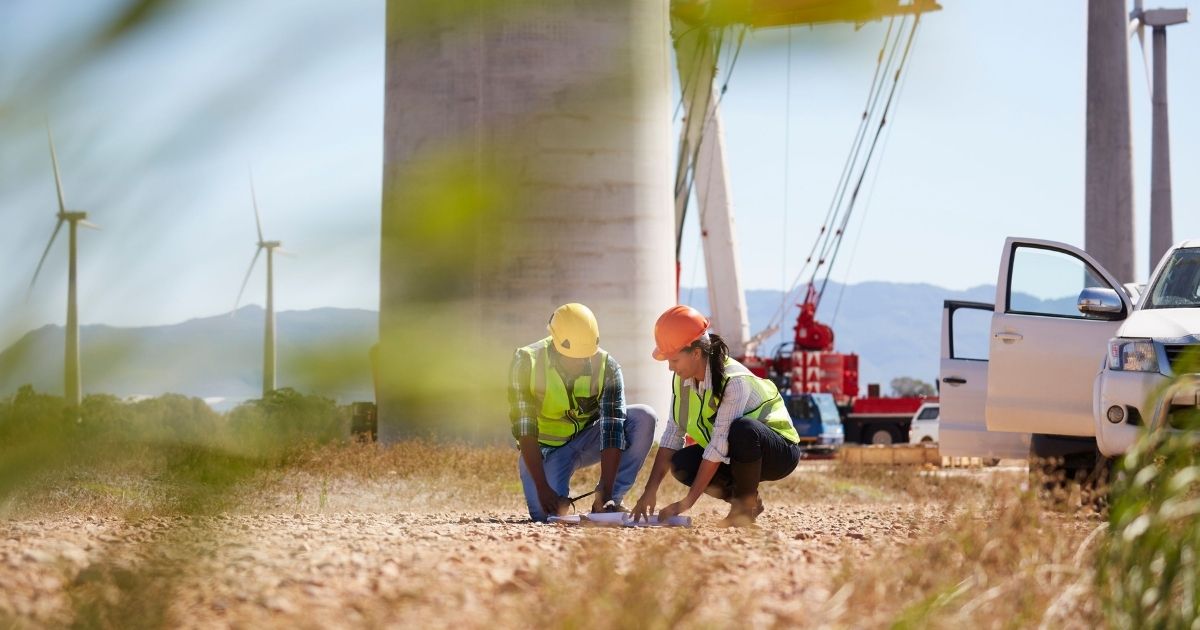
Before transporting a single wind turbine component, the team conducts a detailed review of the planned path to identify and address obstacles. The planning checks for:
- Vertical clearances: Engineers must ensure the cargo has enough room to pass under bridges, overpasses, and power lines.
- Weight limits: The combined weight of the tower sections, nacelle, and specialized vehicles can easily exceed standard road limits. The survey confirms that bridges and culverts can handle the load.
- Tight turns: The long length of the components, especially the blades, makes sharp turns very difficult. Routes are planned to avoid residential streets and other areas with limited turning space.
Securing the necessary permits is another important consideration. Each country, and even each state, has its own rules for oversized shipments. These permits often require:
- Load diagrams: A detailed drawing that shows the exact size, height, width, and weight of the load.
- Traffic management: Reviewing local traffic patterns to minimize delays and making sure emergency vehicle routes are not blocked.
- Escort services: Requiring private pilot cars or police escorts to guide the transport and manage traffic.
- Financial guarantees: A bond or other financial guarantee to cover any potential damage to public infrastructure.
- Seasonal factors: Considering weather conditions like snow, ice, or spring thaws that can affect road safety.
In some cases, a practice run of the route is required to identify potential problems before transporting the valuable components.
Taking the road less traveled
Transporting wind turbine components to remote locations further compounds the considerations mentioned previously.
For example, building the Shepherds' Rig Wind Farm in Scotland was a major logistical undertaking, largely because of its remote location. Located high on a hill near the town of Lockerbie, the site was not only difficult to access but also required navigating the country's narrow, winding roads.
The biggest challenge was the last-mile journey, where the existing rural roads were not designed to handle the size and weight of the turbine parts. To overcome this, the logistics team had to implement several creative solutions:
- Road upgrades: Significant sections of the route had to be widened, and several sharp corners were re-engineered to allow the multi-axle trailers carrying the turbine components to navigate the turns.
- Bridge reinforcement: The route included several small bridges that were not strong enough for the multi-ton loads. Engineers had to make these structures stronger to ensure they could handle the extreme weight of the nacelles and tower sections without being damaged.
Winding down the journey
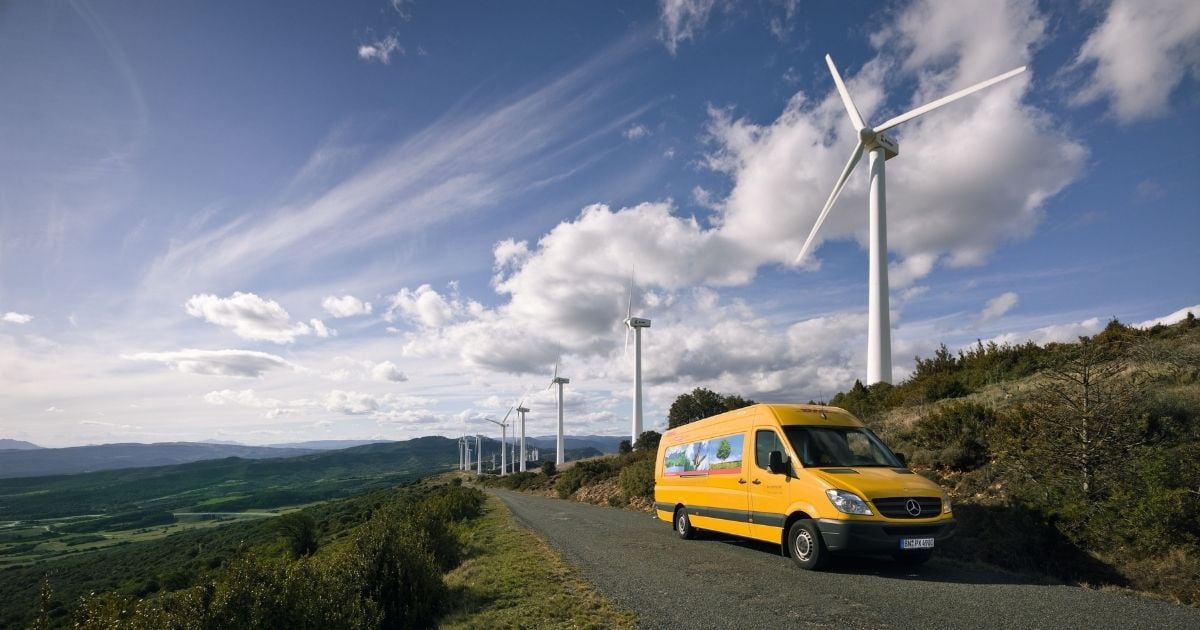
While the sight of a wind turbine spinning majestically against the sky is awe-inspiring, getting it there is a monumental feat.
However, what seems like a towering task of transporting these giants can be a breeze with careful consideration of the wind farm’s location, using specialized vehicles and vessels, as well as following a proper route plan with the right permits secured.
It's a journey that keeps the blades turning and the future powered, one massive component at a time.
Frequently Asked Questions
Why is the transportation of wind turbine components so complex?
Transporting wind turbine components is a massive undertaking due to their oversized and overweight nature. This requires specialized logistics, including dedicated vehicles, vessels, meticulous route planning, and numerous regulatory approvals to ensure safe and efficient delivery from factory to wind farm.
What specialized equipment is used to transport wind turbine parts?
Given the immense size and weight of wind turbine components, specialized equipment is essential. This includes multi-axle trailers for nacelles, extendable flatbed trailers for long blades, and Schnabel trailers for tower sections on land. For offshore projects, tugboats, crane barges, and jack-up vessels are utilized to move and install components at sea.
How does wind farm location impact the logistics of turbine transportation?
The location of a wind farm significantly influences the complexity and cost of transporting turbines. Onshore wind farms in remote areas require navigating existing road networks with specialized vehicles, while offshore wind farms demand higher investment in specialized vessels and installation equipment due to their oceanic placement, leading to higher transport costs and more intricate logistics.
ALSO WORTH READING






 English