



The Global Shift: Nearshoring the Data Center Supply Chain

Key takeaways
- Nearshoring and friendshoring strengthen resilience. Bringing production closer reduces risks, delays, tariffs, and supply chain vulnerabilities.
- New manufacturing hubs are reshaping supply chains. Southeast Asia, India, and Latin America are attracting growing data center investments.
- Nearshoring requires sophisticated logistics coordination. Sensitive equipment needs specialized handling, visibility, compliance, and reliable regional networks.
In the digital age, everything we do online can feel like magic. But behind every email we send, every video we stream, and every prompt we enter into an AI service, a data center processes our requests in real time.
For decades, the global supply chain for Information Technology (IT) hardware has operated on a concentrated model, where servers, semiconductor chips, and heavy networking racks were produced and distributed via a single-source global supply chain. While this centralized approach offered economies of scale, it also created systemic vulnerabilities for data center growth.
With Artificial Intelligence (AI) and cloud computing driving continuous infrastructure expansion, the reliance on a single distant location for critical hardware exposes the industry to severe bottlenecks.
Recent years have also exposed the fragility of such reliance, as geopolitical friction and crippling semiconductor shortages have stalled the shipment of critical components from manufacturing centers to their destination points.
In response, tech companies have begun to replot the map of global hardware manufacturing.
The driving forces behind the data center supply chain shift
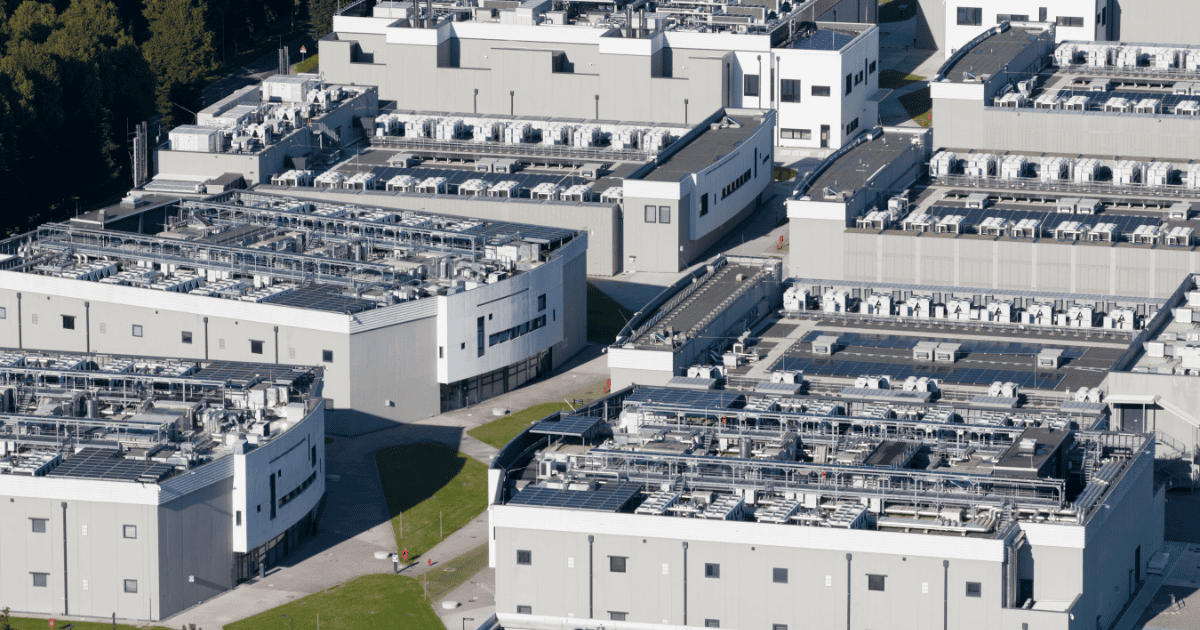
Nearshoring and friendshoring have been identified as key strategies for relocating data center-related manufacturing and processes across the globe. In supply chain management, this refers to a diversification strategy where business processes, such as manufacturing and assembly, are outsourced to external companies in countries that geographically closer to a company’s home base..
Unlike offshoring, which chases the lowest labor costs across the globe, proximity is the defining feature of nearshoring. For a data center developer, this means relocating the production of servers and components much closer to the primary market where the facility is built.
This approach is frequently paired with friendshoring, a strategy that shifts manufacturing to countries that share similar political and economic values.
Together, nearshoring and friendshoring work to mitigate risks, avoid high tariffs, and build long-term supply chain resilience against unpredictable global shocks.
The rise of new manufacturing hubs
This pivot has prompted resource-rich nations to flip the script, turning away from traditional, single-source markets and aggressively developing their own manufacturing capabilities to capture their own slice of the booming data center economy.
In this regard, Southeast Asia, Latin America, and India have rapidly emerged as powerful new manufacturing hubs for data center hardware.
Malaysia and Vietnam are examples of Asia Pacific nations becoming hubs for back-end production and semiconductor assembly. Similarly, Mexico has cemented its position as a prime nearshoring destination for companies based in the United States, offering immediate geographic proximity and favorable cross-border trade agreements. Meanwhile, India is leveraging its massive industrial capacity to become a major player in semiconductor manufacturing and electronics assembly.
This geographical diversification has vastly altered traditional freight and logistics routes. Supply chain managers are moving away from congested transpacific shipping lanes, opting for new cross-border trucking routes and regional maritime networks that connect these emerging hubs directly to target markets.
The logistical complexities of nearshoring
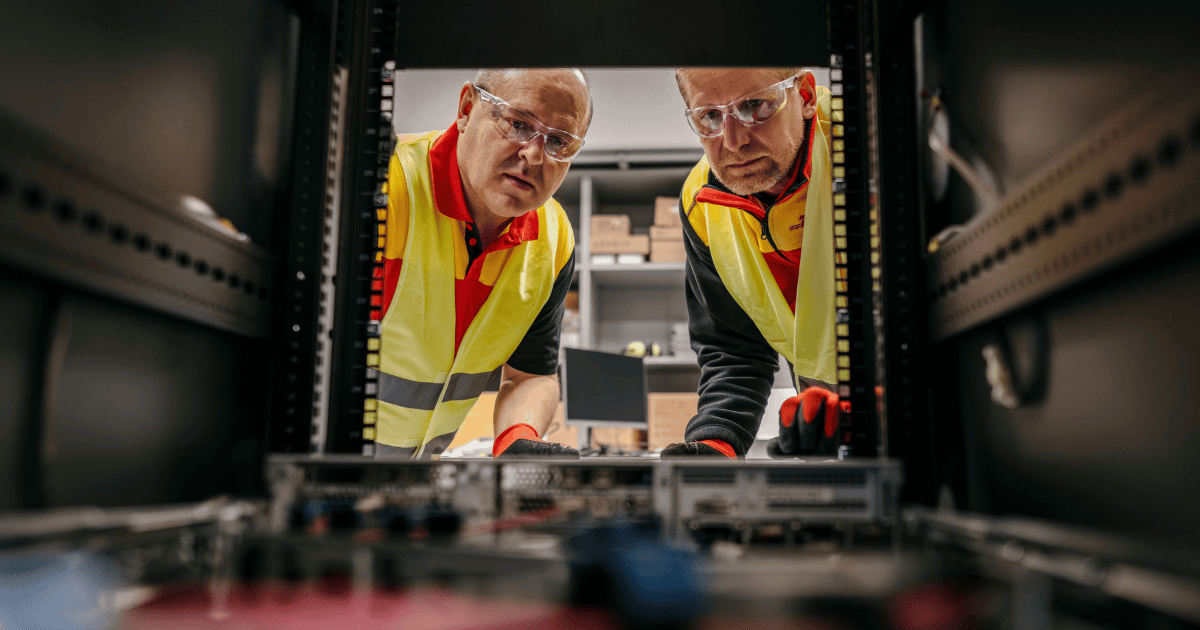
Data center servers typically require certified handling protocols and climate-controlled environments.
However, transitioning to a nearshoring model is far from a simple switch. While closing geographical gaps across the supply chain reduces lead times and lowers transportation's carbon footprint, it also introduces new logistical complexities.
Data center servers are fragile and highly sensitive to environmental factors, requiring specialized packaging, climate-controlled environments, and certified handling protocols during transportation. Tech companies must build entirely new supply chain ecosystems from the ground up, including establishing new vendor networks in emerging markets and ensuring suppliers meet strict quality and security standards.
Furthermore, cross-border customs compliance becomes highly complex when managing sensitive, high-value IT equipment across multiple new jurisdictions.
Maintaining just-in-time (JIT) inventory also takes on a new rhythm in a nearshoring setup. Instead of managing bulk shipments via ocean freight from a distant location, businesses must now coordinate frequent, smaller shipments across regional land borders or short-haul sea routes.
To prevent missing components from delaying data center construction schedules, developers require end-to-end supply chain visibility. This requires integrating advanced digital technologies, such as Internet of Things (IoT) sensors and predictive analytics, to monitor inventory flows and manage these decentralized networks.
Building resilience through global logistics
The shift towards nearshoring data center hardware is a permanent transformation of the global technology supply chain. By decentralizing manufacturing and utilizing new hubs in Southeast Asia, Latin America, and India, the data center industry is actively building the resilience needed to weather future disruptions.
While nearshoring builds resilience by bringing production closer to home base, it requires sophisticated, globally connected logistics partners to execute smoothly. From navigating new trade routes and managing customs clearances to coordinating regional inventory, each step demands masterful supply chain orchestration.
As the digital economy continues expanding at pace, securing the physical infrastructure that powers it will depend entirely on agile, forward-thinking logistics networks capable of supporting this bold new world.
Frequently Asked Questions
Why are tech companies nearshoring data center hardware manufacturing?
Tech companies are nearshoring data center hardware manufacturing to build resilience against geopolitical shifts, supply chain bottlenecks, and vulnerabilities. This strategy helps reduce risks, delays, and tariffs by bringing production closer to the primary markets where data centers are built, ensuring a more stable supply chain for critical IT infrastructure.
Which regions are emerging as new manufacturing hubs for data center hardware?
Southeast Asia (like Malaysia and Vietnam), India, and Latin America (like Mexico) are rapidly emerging as powerful new manufacturing hubs for data center hardware. These regions are attracting investments by developing their own manufacturing capabilities, offering geographic proximity, and leveraging industrial capacity to support the booming data center economy.
What logistical challenges arise when nearshoring data center equipment?
Nearshoring data center equipment introduces complexities such as the need for specialized handling, climate-controlled environments, and certified protocols for sensitive hardware. Additionally, companies must establish new vendor networks, manage complex cross-border customs compliance, and coordinate frequent, smaller shipments with end-to-end supply chain visibility to ensure just-in-time inventory and prevent construction delays.
ALSO WORTH READING






 English