



The Borderless Cart: 3 Trends Redefining Global Logistics in 2026

Key takeaways
- Regions like Southeast Asia, South Asia, and Latin America are becoming primary engines of global retail expansion, reshaping merchants’ international growth strategies.
- Decentralized warehouses near borders reduce transit times, lower costs, and improve sustainability, helping businesses deliver internationally with near-local speed.
- AI-powered customs clearance and localized storefronts streamline compliance, pricing transparency, and payments, improving customer trust and reducing cart abandonment in global e-commerce.
The cross-border e-commerce market is a behemoth in its own right, projected to surpass the staggering US$1T (€8.68B) mark by 2026. Specifically, the market is expected to exceed US$5T (€4.34B), with a compound annual growth rate (CAGR) of over 8 percent.
Emerging markets in Southeast Asia, South Asia, and Latin America are the biggest contributors to this projected growth. And in fact, they are actively outpacing Europe and North America, transforming from emerging consumer bases to primary drivers of global retail growth.
Merchants today must thus account for these regions when mapping out their global growth strategy to successfully capture a share of the trillion-dollar e-commerce pie.
Defining the global logistics landscape
Doing so, however, extends beyond simply launching an international shipping option at checkout. Fundamentally, merchants must understand that e-commerce logistics is a complex, end-to-end symphony that encompasses three core phases: domestic export, international transport (air, sea, and road), and local import delivery.
In essence, e-commerce logistics is the invisible scaffolding that works in the shadows to ensure global trade functions seamlessly, powered by the ability to gather real-time data on an asset's location using modern telemetry and connected sensors.
Consider this scenario: A buyer in the United States places an order and pays in U.S. dollars for a hand-crafted leather bag from a boutique in Italy. Within a few days, she receives her order at her door. On the surface, the delivery appears rather unremarkable, with no significant difference from deliveries she might receive from within the U.S.
But take a look behind the scenes and that is where things get interesting. To fulfill her order, a sophisticated global logistics network worked in tandem to manage a whole slew of processes, including currency conversion from U.S. dollars to euros, preparation of export declarations, coordination of international air freight, completion of U.S. customs clearance, and arrangement of last-mile delivery.
All this is done without the customer having to lift a finger at any point. The customer does not even need to know what goes on behind the scenes. And this is the almost magical experience that is created when global logistics comes into the picture. With just one click on a website, a delivery arrives at your door.
The future of logistics is frictionless
The standard for seamless logistics will continue to rise, especially with the development of new technologies that further streamline and simplify cross-border processes.
To stay competitive, retailers, merchants, and logistics providers must stay abreast of the latest trends and developments, ensuring they work to eliminate border friction through strategic innovation and interconnected technologies.
Here are three trends that have begun to take root in the world of cross-border e-commerce.
1. The rise of micro-fulfillment centers near borders
The first of these trends is the emergence of micro-fulfillment centers (MFCs) near key regional borders or within high-density target markets. Estimated to be worth US$3.58 billion in 2022, the global micro-fulfillment market is projected to expand at a CAGR of 34.8 percent to reach US$39.3 billion in 2030.
The e-groceries industry is a core driver of this growth, with more consumers increasingly demanding quick, efficient global shipping for their online groceries. MFCs were thus built to meet this demand, effectively ending the old days of shipping all international orders from a single, centralized mega-warehouse.
The decentralized approach of MFCs drastically alters the mechanics of international transport. By leveraging IoT trackers to monitor inventory flow and mitigate asset loss, businesses simultaneously enjoy reduced transit times and insulate themselves from volatile international freight fees. Additionally, businesses are better able to reduce the carbon footprint of their supply chains, which may factor into the purchase decisions of sustainability-conscious consumers.
Ultimately, MFCs serve as the physical manifestation of the so-called borderless cart. Just like how a cart is easily pushed to a counter for quick checkout at a supermarket, MFCs “cart” international physical goods from order to fulfillment at the speed of a local delivery. This operational shift builds profound brand trust, demonstrating to customers that geographic distance is no longer a barrier to efficient delivery.
2. Hyper-localization of digital storefronts
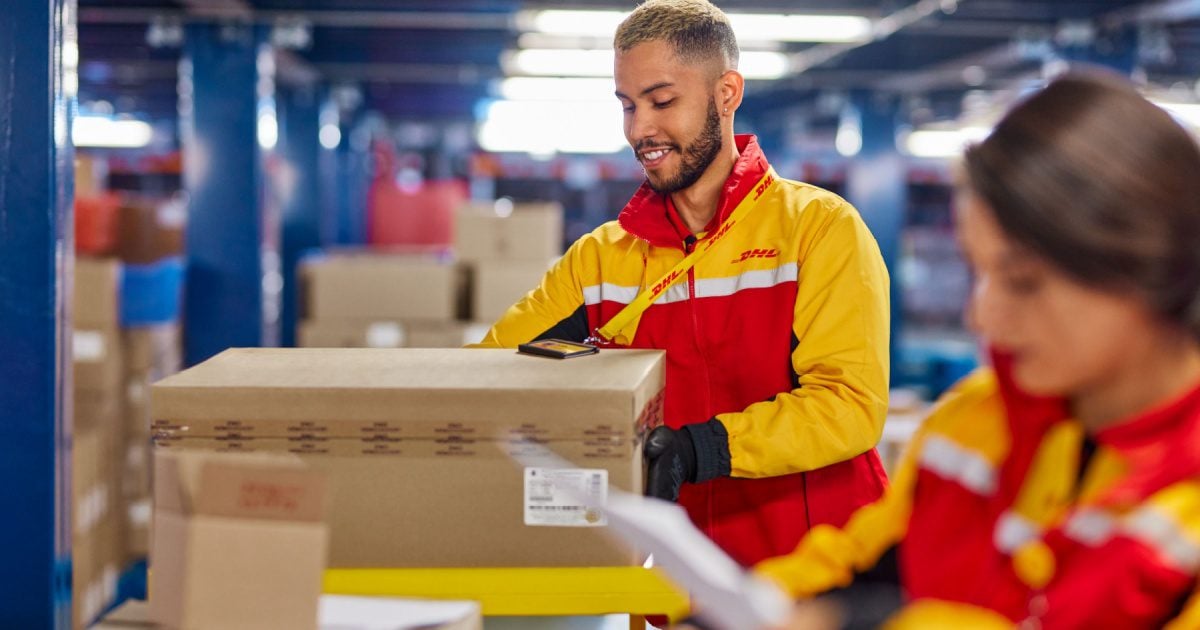
To truly build borderless carts, it is essential to create a hyper-localized checkout experience that speaks the customer’s language literally and financially. This is why e-commerce websites have increasingly been optimized to automatically adjust the shopping experience based on the user’s IP address.
Online shopping cart abandonment rates average over 70 percent, and among the various reasons that people have cited for doing so include not trusting the site with their credit card, not having enough payment methods, and their credits cards being declined. These reasons point to a lack of localization as a root cause, and companies can mitigate it by providing e-commerce websites tailored to different regions worldwide.
This means that beyond simply translating a website’s content, hyper-localization also encompasses instant currency conversions using the latest rates and integration of local payment methods that consumers prefer, such as PayNow in Singapore, VietQR in Vietnam, and WeChat Pay in China. When merchants onboard the preferred financial ecosystems of their target markets, they remove the psychological barriers that may deter international customers from making the final click to confirm their orders.
Of equal importance is the transparent calculation of landed cost. Any seamless digital storefront should accurately display all shipping fees, duties, and taxes at checkout, enabling its consumers to make fully informed decisions before confirming their orders.
Businesses can do this easily through solutions such as DHL’s My Global Trade Services (MyGTS) international shipping platform, which among many other things, helps calculate landed cost for any country. By mirroring the digital experience with domestic shopping norms, merchants realize the borderless cart, turning skeptical international window shoppers into loyal repeat buyers.

3. Driving customs clearance with artificial intelligence (AI)
Even with optimized websites and local micro-warehouses, physical borders that come in between global shipping routes remain daunting obstacles to cross. But with the advent of artificial intelligence (AI) technologies, the biggest bottleneck in global shipping is starting to be unraveled.
In fact, AI-powered platforms are already revolutionizing the border chokepoint through software that automates customs compliance, allowing goods to be cleared even before they depart from the fulfillment center. Instead of manual paperwork, these platforms help businesses navigate customs requirements and accurately assign correct Harmonized System (HS) codes to individual items in diverse, ever-changing product catalogs.
DHL's MyGTS platform stands as an example of leveraging AI to drive faster customs clearance, empowering users to use simple keywords to identify the correct HS codes for shipping their goods. The platform also uses AI to power route analysis and an identification feature, empowering businesses with the most favorable conditions for imports and exports. This technological leap standardizes customs data globally, drastically reducing the risk of border delays, fines, or rejected shipments.
When businesses implement such AI-powered technologies, they can expect their inventory to glide through regulatory checkpoints. Effectively, the system evolves from a reactive inspection model to a proactive clearance model, complying with all necessary regulations without compromising express delivery speeds.
By neutralizing customs friction, AI acts as the final piece of the borderless puzzle, dismantling border-based bottlenecks and replacing them with a smooth, uninterrupted supply chain.
Crossing borders with the borderless cart
Beyond 2026, the borderless cart will transition from a tentative competitive advantage to a baseline necessity. The Internet of Things (IoT) will only continue to intertwine with the supply chain, giving rise to truly predictive global logistics.
Algorithms may upgrade their capabilities to not only anticipate what a consumer might buy, but also automatically route inventory across borders and through customs before finalizing the purchase.
Furthermore, integrating AI-driven big data analytics enables businesses to provide consumers with granular, real-time updates on their international packages. Such transparency will foster deeper trust in global brands, encouraging greater participation in cross-border retail from previously untapped or underserved markets.
By continuously leveraging technology to erase logistical friction, every international customer effectively becomes no different from a local one, unlocking growth in the global marketplace.

ALSO WORTH READING









 English