



A guide to customs for cross-border e-commerce shipping

Key takeaways
- Customs is critical to cost, speed, and customer experience. Duties, taxes, and regulations directly affect pricing, delivery times, and satisfaction, making customs a strategic factor in cross-border e-commerce.
- Accurate documentation and classification are essential. Incomplete paperwork, incorrect product descriptions, or wrong HS codes can cause delays, penalties, or shipment holds at customs.
- Proactive compliance reduces friction and uncertainty. Understanding destination rules, duties, and requirements in advance helps businesses avoid surprises and ensure smoother, predictable cross-border shipping operations.
For e-commerce businesses, international shipping is not as simple as just moving goods from one country to another. Every cross-border order must clear customs, and that process can quickly become a source of delays, unexpected costs, and operational complexity.
Duties, taxes, and, documentation requirements all influence how smoothly a shipment moves across borders. When managed well, they remain invisible to the customer. But if they are overlooked, unneeded friction is introduced into the shipment journey and deliveries get delayed, resulting in increased costs.
The good news is that customs regulations do not have to be a barrier to growth. With the right approach, businesses can turn what feels like a minefield into a manageable and predictable part of their logistics strategy.
Why customs matter in e-commerce
Every international shipment is subject to the import rules of its destination country. These rules determine what can enter the market, what documentation is required, and how much duty or tax must be paid.
For e-commerce businesses, this has a direct impact on three factors:
- Cost: duties, taxes, and fees contribute to the total landed cost
- Speed: incomplete or incorrect documentation can delay clearance
- Customer experience: unexpected delivery charges can lead to dissatisfaction or returns
Because of this, customs goes beyond logistics and is a critical part of pricing strategy and customer satisfaction.
The most common customs challenges
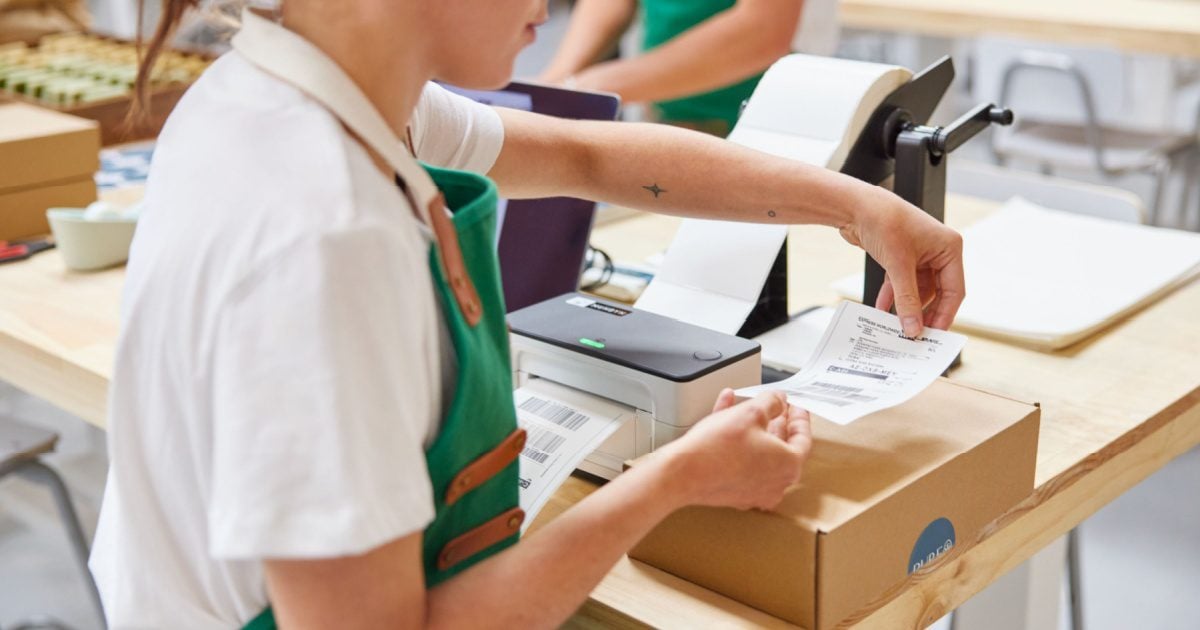
One of the most frequent issues in cross-border e-commerce is incomplete or inaccurate documentation. Missing commercial invoices, unclear product descriptions, or incorrectly declared values can all result in delays.
Product classification is another key challenge. Every shipment requires the correct Harmonized System (HS) code, which determines the applicable duties and taxes. Errors in classification can lead to incorrect charges and penalties, or shipments can end up being held at customs.
There is also the challenge of visibility as businesses may not have a clear understanding of destination-specific regulations and costs. In this scenario, issues might only be discovered after a shipment has left the country of origin and is well on its way to its overseas destination.
How businesses can simplify customs compliance
Simplifying customs starts with preparation. Businesses that build compliance into their workflow are better positioned to avoid disruptions down the line.
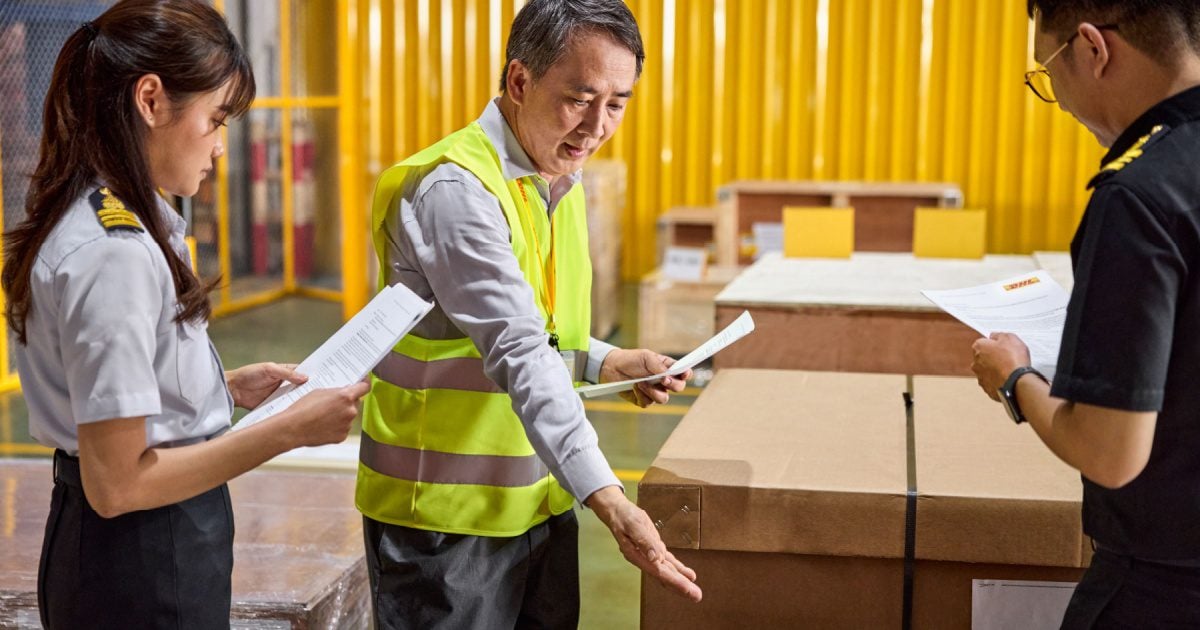
Accurate product data is essential. Clear descriptions, correct values, and properly assigned HS codes reduce the risk of delays and rework. This creates consistency across systems, helping ensure documentation aligns with what customs authorities expect.
Automation can also play a role. Some e-commerce platforms, such as Shopify, automatically generate customs documentation when merchants purchase shipping labels. This reduces manual errors and speeds up fulfillment.
Understanding landed cost is another important step. This includes transportation fees, duties, taxes, and handling charges. Knowing this total cost upfront allows businesses to price products more accurately and avoid unexpected charges for customers.
Free trade agreements (FTAs) can further reduce costs. By identifying where goods qualify for reduced or zero tariffs, businesses can improve margins and remain competitive in international markets.

Practical solutions to reduce delays and costs
Beyond preparation, there are operational strategies that can make a meaningful difference:
- Prepaid duties (Delivered Duty Paid, DDP2): by covering duties and taxes upfront, businesses can offer customers a smoother delivery experience with no surprise charges
- Bonded warehouses: storing goods in bonded facilities allows businesses to defer duties until products are sold, improving cash flow and flexibility
- Digital documentation: submitting paperwork electronically before arrival reduces clearance time at borders
Logistics experts often emphasize that proactive planning and visibility are key to managing customs effectively. Businesses that treat compliance as part of their customer experience strategy tend to see fewer disruptions and higher customer satisfaction.
How DHL’s MyGTS supports cross-border shipping
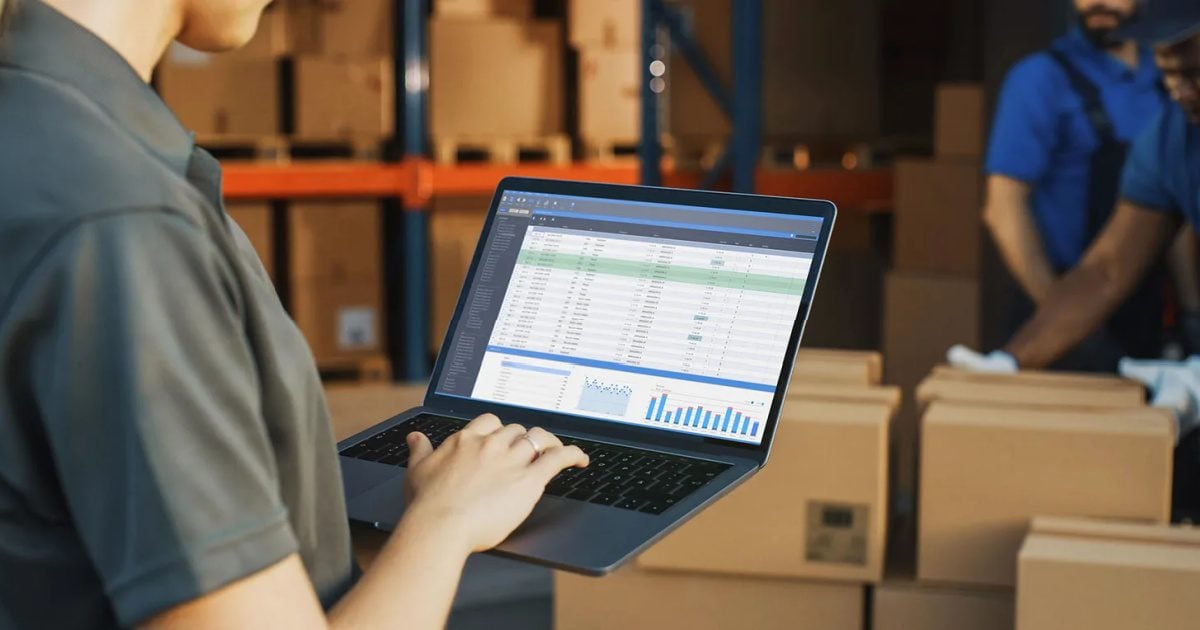
For businesses looking to simplify international trade, DHL Express offers MyGTS (My Global Trade Services) a free-to-use centralized platform that enables businesses to manage customs requirements more efficiently.
MyGTS offers access to trade regulations for 227 countries and territories, helping businesses understand destination-specific rules before shipping. It brings together regulatory information, tariff data, import and export requirements, and documentation guidance in one place.
The platform also includes a landed cost calculator, enabling businesses to estimate duties and taxes in advance. This supports better pricing decisions and reduces the risk of unexpected costs.
For product classification, MyGTS helps users identify the correct HS codes and store them for future use through its Product Catalog feature. This reduces repetitive work and improves accuracy over time.
Businesses can also access more than 5,000 import and export document templates through the platform, ensuring they have the right paperwork for different markets. In addition, the Trade Lane Comparison feature allows users to evaluate shipping routes based on requirements and estimated costs, making it easier to prioritize expansion into new markets.

Leveraging expertise to navigate complexity
As e-commerce businesses expand across Asia Pacific and beyond, navigating different customs regimes can become increasingly complex. This is where working with experienced logistics providers becomes valuable.
DHL’s customs brokerage services in Asia and beyond help businesses manage clearance processes more efficiently by combining local regulatory expertise with global logistics capabilities. This support can reduce delays, improve compliance, and provide greater visibility across shipments. By combining the right tools with expert support, businesses can move from reactive problem-solving to proactive planning.
A smarter approach to international e-commerce
Cross-border e-commerce opens the door to new markets and new customers. However, success depends on more than just demand. It requires a clear understanding of how goods move across borders.
Customs regulations will always be part of international shipping, but they do not have to slow growth. Businesses that invest in accurate data, customs compliance automation, and the right logistics partnerships can reduce friction and create a more reliable delivery experience.
With solutions like MyGTS and the support of global logistics expertise, e-commerce businesses can navigate customs with greater confidence, turning complexity into a competitive advantage.
ALSO WORTH READING









 English