



Streamlining Reverse Logistics: 5 Strategies to Cut Costs

Key takeaways
- Returns can drive value, not just costs. Effective reverse logistics improves efficiency, recovers inventory, and contributes to customer satisfaction.
- Customer-friendly returns build trust and loyalty. Clear policies, convenient options, and fast refunds encourage first-time and repeat purchases.
- Reverse logistics partners with integrated returns solutions can turn returns into business value.
For e-commerce businesses, returns are no longer the exception. They are an expected part of the customer journey.
While a generous returns policy can encourage purchases and build trust, every returned item comes with hidden costs—from transportation and labor to inventory delays and lost revenue. According to the DHL E-Commerce Trends Report 2026, 16% of online shoppers and 12% of businesses return their orders.
The good news is that reverse logistics does not have to be a cost center. With the right processes in place, businesses can recover value from returned products, improve customer satisfaction, and operate more efficiently.
Here are five practical strategies businesses can take advantage of to optimize their reverse logistics strategy.
1. Use local return centers to shorten the journey
International returns often results in increased cost as they involve long shipping distances with items getting shipped back across borders and customs touchpoints, and extended processing times that include item inspection and recovery.
Regional or local return centers can help businesses reduce international shipping costs, speed up returns processing, restock products sooner, and shorten refund timelines.
For businesses selling across multiple markets, localized returns infrastructure can improve operational efficiency while making returns feel faster and more convenient for the customer.
2. Create a customer-friendly returns policy that feels simple and fair
A customer-friendly returns policy should be clear, easy to follow, and convenient.
When returns feel straightforward, shoppers are more likely to feel confident in making a purchase. A strong returns policy should clearly state:
- How long customers have to return an item
- What condition the item must be in
- How returns can be initiated
- When and how refunds will be issued
- Whether exchanges, store credit, or instant refunds are available
Digital return portals and app-based workflows can make the experience even smoother by allowing customers to generate labels, track return status, and receive faster updates. Instant or near-instant refunds can also reduce friction and build trust.
A clear and convenient policy can become a competitive advantage that differentiates a business from its competitors, especially in product categories where returns are common.
3. Inspect and repurpose returns quickly
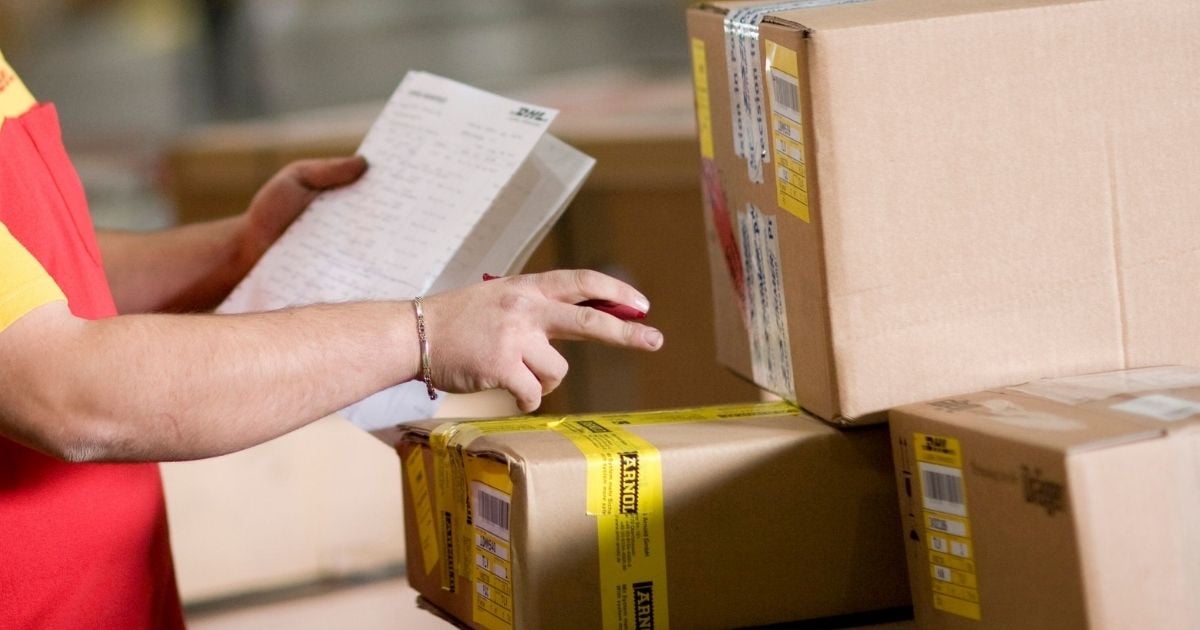
Every day that a returned product sits in storage represents lost value. Standardized inspection and grading processes help businesses decide whether products should be restocked for resale, refurbished, repaired, recycled or disposed of responsibly.
The faster returned inventory is assessed, the sooner it can re-enter the supply chain or move into the most appropriate recovery channel. Efficient product recovery also supports sustainability goals by extending product lifecycles and reducing unnecessary waste.
4. Use returns data to spot problems and reduce fraud
Returns generate valuable operational insight. By analyzing return data, businesses can analyse patterns to discover insights such as:
- Which products with unusually high return rates
- Which product has inaccurate product descriptions
- Packaging or fulfillment issues
- Customer behavior that may indicate abuse or fraud
Data analytics can help businesses identify the root causes of returns, rather than treating each return as an isolated event. Artificial intelligence can also support fraud detection by flagging unusual purchasing or return patterns before losses escalate.
Used well, returns data can improve the overall customer experience by improving product pages, packaging, sizing, and fulfillment.
5. Partner with specialists to manage the full returns journey
Managing returns across multiple markets requires coordination across transportation, warehousing, inventory, customer communications, and recovery operations.
Working with a reverse logistics specialist can simplify and improve the entire process through:
- Centralized visibility across markets
- Faster inventory recovery
- Scalable returns management
- Simplified returns shipping
- Better customer experiences
Instead of managing disconnected processes, businesses can integrate reverse logistics into a broader supply chain strategy. This reduces complexity while improving speed, consistency, and cost control.
For companies looking for an end-to-end solution, DHL’s returns capabilities can help connect the customer return request, transportation, inspection, and recovery process into one more efficient flow.
Mastering reverse logistics for many happy returns

Returns may be unavoidable, but excessive cost definitely can be avoided. By using local return centers, creating a customer-friendly returns policy, recovering inventory faster, leveraging returns data, and partnering with experienced specialists, e-commerce businesses can reduce costs while improving customer satisfaction.
With DHL’s end-to-end returns platform, businesses can connect every step of the reverse logistics journey, from return initiation and transportation to inspection, recovery, and restocking. That means fewer inefficiencies, better visibility, and a smoother experience for businesses and their customers at every touchpoint.
In e-commerce, reverse logistics does more than handle returns. With the right partner, it can help protect margins, build loyalty, and keep supply chains running smoothly.

Frequently Asked Questions
How can optimizing reverse logistics benefit e-commerce businesses?
Optimizing reverse logistics can transform returns from a cost center into a value driver for your e-commerce business. It enhances efficiency, accelerates inventory recovery, and significantly boosts customer satisfaction. This ultimately contributes to fostering trust and loyalty among an e-commerce businesses’ customers.
What key strategies can help reduce costs associated with e-commerce returns?
To reduce costs, businesses can make use of local return centers to shorten shipping distances and processing times. They can also implement clear and customer-friendly returns policies, quickly inspect and repurpose returned items, leverage returns data to identify and solve recurring problems, and partner with specialized reverse logistics providers for integrated solutions.
Why is a customer-friendly returns policy crucial for e-commerce growth?
A customer-friendly returns policy is crucial because it builds trust and encourages purchases by making the return process simple and fair. Clear guidelines on return windows, item conditions, refund methods, and accessible digital portals can differentiate your business, reduce friction, and lead to higher customer confidence and repeat business.
ALSO WORTH READING







 English
