


Flexitank
What is a flexitank?
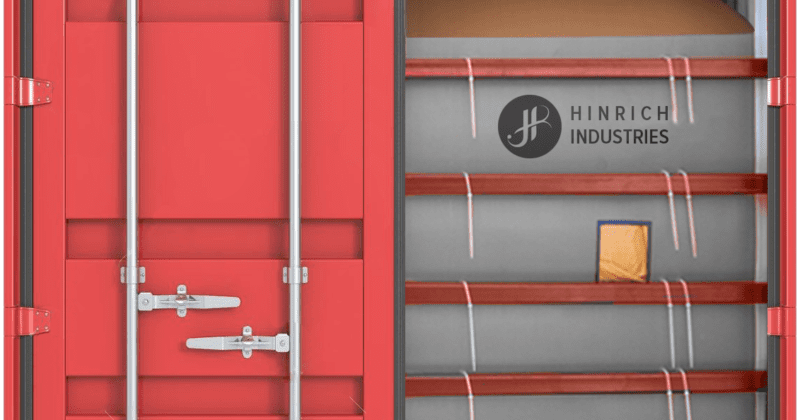
A flexitank is a multi-layered, flexible pouch that is installed inside a standard 20-foot shipping container and filled with liquid cargo. Originally developed to transport water and fuel, flexitanks are now widely used to move non-hazardous liquids such as fruit juices, liquid latex, edible oils, and wine.
How does a flexitank work?
A flexitank is fitted securely inside a dry shipping container and then filled with liquid so that as it expands, it can make full use of the container’s available space. Depending on the design, a flexitank can hold up to 24,000 liters of liquid while using standard container handling and transport infrastructure.
Why do companies use flexitanks?
Flexitanks enable shippers to transport significantly more liquid than traditional packaging methods. They can carry about 15% more liquid than intermediate bulk containers (IBCs) and about 35% more than drums, improving transport efficiency and lowering overall logistics costs.
What are the advantages of flexitanks?
Flexitanks typically do not require specialized handling equipment because they are designed to fit inside conventional shipping containers. They are also designed for single use, which reduces contamination risks and eliminates the need to clean and return containers after shipment.
Are flexitanks a sustainable solution?
Flexitanks are a sustainable solution. Compared with reusable containers that must be returned empty, flexitanks can reduce unnecessary repositioning movements and can also be recycled after use. This can help lower their overall environmental footprint while improving supply chain efficiency.







 English