



Asia Pacific is powering freight—but the pressure is building

Key takeaways
- Asia Pacific drives global freight growth. Strong exports, especially in tech and e-commerce, sustain high air and ocean freight demand across major global trade lanes.
- Demand is outpacing capacity flexibility. Early peak season surges, congestion, and rerouting reduce usable capacity, increasing competition for limited space across freight networks.
- Freight pricing is increasingly volatile. Rates are rising due to strong demand, constrained capacity, and higher costs, with prices closely tied to short-term availability.
Asia Pacific continues to anchor global freight in 2026, driving the growth of global air cargo volumes and ocean export demand even as capacity tightens.
While the region remains the center of gravity for global freight, the conditions supporting that growth are becoming more constrained.
According to the recent DHL Air Freight State of the Industry, air cargo demand rose 5 percent year-over-year in April 2026 and remains up 4 percent year-to-date. Asia accounts for roughly 50 percent of global volumes and is growing 8 percent over the same period.
The ocean freight market tells a similar story. As outlined in DHL’s latest Ocean Freight Market Update, demand is up 4 percent year-to-date, driven by continued export strength out of Asia, even as short-term volatility emerges due to geopolitical disruptions and earlier tariff effects.
“What is shifting is not demand itself, but how that demand interacts with the network,” said Niki Frank, CEO, DHL Global Forwarding Asia Pacific. “Peak season is arriving earlier and with greater intensity, compressing volumes into shorter windows and putting immediate pressure on capacity and pricing.”
This earlier peak season is coming in stronger and is expected to be more prolonged than usual, driven by a combination of inventory build-up ahead of Q3, rising cost expectations, and strong export momentum out of Asia, accelerating demand faster than capacity can respond.
At the same time, the market is becoming more reactive at a transactional level. Shippers are no longer simply responding to demand; they are increasingly anticipating constraints, adjusting booking patterns earlier and competing more actively for available space, which amplifies pressure across the network.
Asia continues to anchor global demand flows
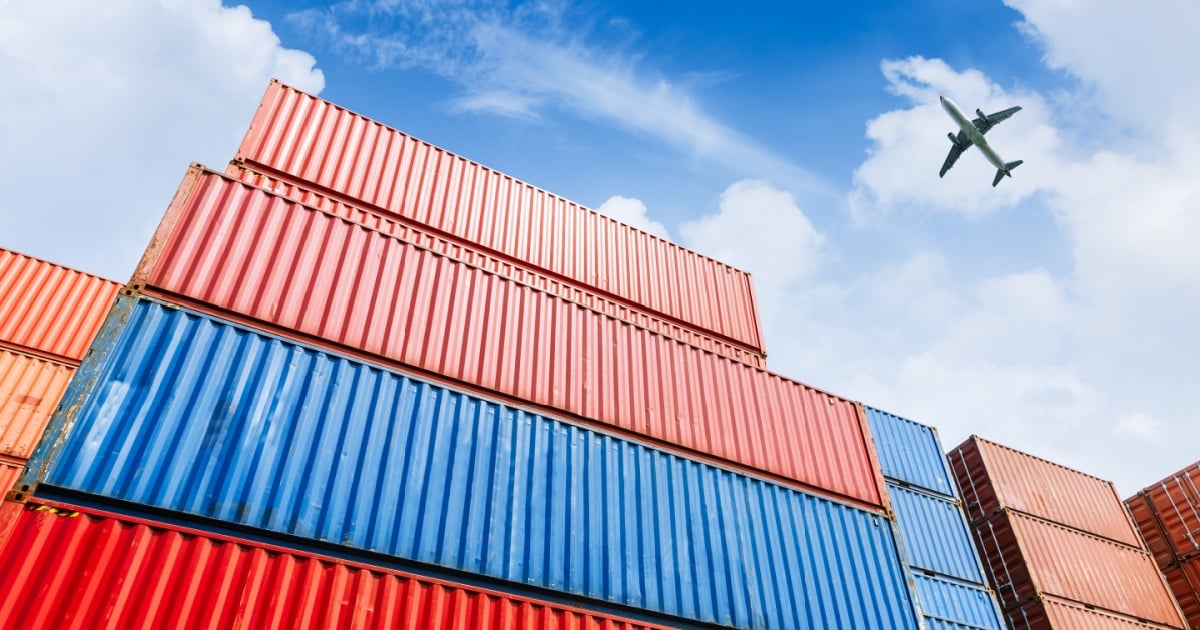
In air freight, demand continues to be driven by high-value semiconductor shipments. “AI-related equipment, such as data centers, are significantly contributing to the demand growth,” said Fabio Weiss, Senior Vice President, Air Freight, DHL Global Forwarding Asia Pacific. “The tech sector is sustaining strong volumes and reinforcing Asia’s dominance in premium trade lanes.”
In ocean freight, demand remains resilient across Asia–Europe and transpacific routes, as well as intra-Asia trades, supported by shifting manufacturing patterns and sustained export volumes.
At the same time, demand is becoming more time sensitive. One of the key catalysts in this shift is new bunker adjustment factors, set to take effect from 1 July and expected to be higher than current levels. “Shippers are accelerating cargo movements to secure space ahead of expected cost increases and tighter availability—a dynamic consistent with early peak season demand patterns,” said Bjoern Schoon, Senior Vice President, Ocean Freight, DHL Global Forwarding Asia Pacific.
This shift is also driving changes in booking behavior. In tighter markets, shippers are increasingly securing more space than needed to ensure shipments move as planned.
As demand outpaces capacity, this trend contributes to higher vessel utilization. Blank sailings in May have also contributed to a bottleneck, leading to cargo rollovers into June capacity and adding to peak season pressure.
Capacity exists with limited flexibility
Capacity is expanding, but not in a way that fully relieves pressure.
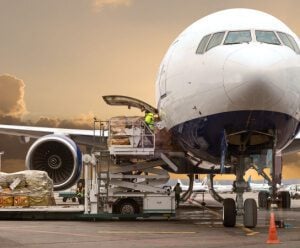
In air freight, global capacity rose 2 percent year-over-year in May 2026, with Asia Pacific contributing most of that growth at 8 percent. However, this expansion remains highly selective. Airlines continue to prioritize long-haul, high-yield routes, while passenger belly capacity declined by 3 percent year-over-year.
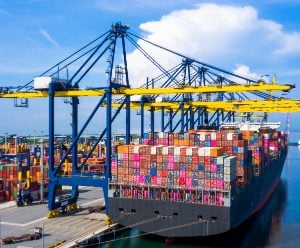
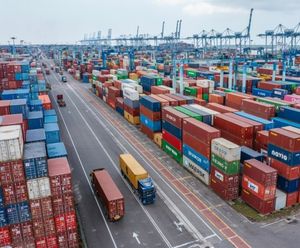
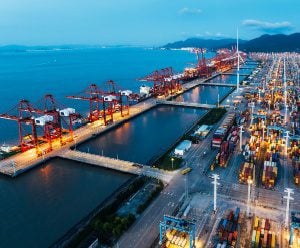
In ocean freight, the challenge is more structural. While nominal fleet capacity continues to grow, effective capacity remains constrained by congestion, rerouting, and longer transit times. These factors are removing approximately 17 percent of usable capacity from the system.
Operational conditions reinforce this reality: port congestion, detours, and slow steaming to reduce fuel consumption are extending transit cycles, reducing the number of available sailings and tightening space availability across Asia-origin trades.
Additionally, network adjustments such as blank sailings are concentrating volumes into fewer departures, increasing utilization on active vessels while reducing short-term availability of space.
Even as additional sailings are introduced, effective capacity remains limited as demand outpaces supply, leaving fewer options for unplanned or last-minute shipments. The result is a market in which capacity exists, but at a premium, where or when it is needed.
Rates increasingly driven by availability
Rates continue to reflect the imbalance between demand and capacity.
In air freight, global spot rates are holding at approximately $3.67 per kilogram, up 48 percent year-over-year, reflecting sustained demand and elevated operating costs.
In ocean freight, rate increases are more pronounced. Based on the Shanghai Containerized Freight Index, rates are up 24 percent year-over-year and more than 80 percent higher than first-quarter levels, driven by bunker charges, strong demand and constrained effective capacity. Bunker fuel prices in early June are still more than 50 percent above the numbers in February, putting a strain on freight rates and inland haulage.
With peak season riding on the back of recent strong demand, the SCFIS futures estimate rates to climb another 30 percent into the summer period. While peak season surcharges and bunker-related adjustments are adding further upward pressure on rates, the pricing dynamic is also shifting toward immediacy.
As peak season demand builds, space availability is becoming a key determinant of pricing. The current market is one where rates are increasingly responsive, often on an upward trajectory, in response to short-term demand conditions across key Asia-origin corridors.

A compressed peak season is intensifying pressure
The combination of strong demand and constrained capacity is reshaping the peak season.
Instead of gradual build-up, volumes are being concentrated into earlier months as shippers secure space ahead of rising costs. This front-loading effect is compressing the traditional peak season window.
At the same time, longer transit times and operational delays are extending planning cycles, further tightening the system. In some cases, waiting times to secure vessel space are extending several weeks, reinforcing the need for earlier booking and increasing the overall lead time required to move goods from origin to destination.
In this environment, securing reliable space has become critical to maintaining supply chain continuity, as demand continues to exceed available capacity.
The result is a freight network operating with less flexibility, where capacity is consumed earlier and disruptions are harder to absorb.
Asia Pacific is defining the market’s limits
Looking ahead, demand from Asia Pacific is likely to remain resilient, supported by e-commerce, technology shipments, and continued supply chain diversification.
At the same time, capacity growth is expected to remain cautious. Airlines will continue to focus on high-yield corridors, while ocean freight networks remain constrained by congestion and longer transit times.
“Asia Pacific is not just powering global trade—it is shaping how far and how fast global trade can move,” noted Frank.
A meaningful correction in rates is more likely to be driven by a slowdown in demand rather than a rapid return of capacity to the market. However, demand remains strong and increasingly concentrated in the region. Capacity continues to expand, but selectively and with limited flexibility.
The result is a freight market where growth persists, but with more friction.
ALSO WORTH READING






 English