



The anatomy of healthcare logistics

Key takeaways
- Healthcare logistics is mission-critical and precision-driven. Strict temperature control, timing, and security are essential, as even minor deviations can compromise product safety and patient outcomes.
- End-to-end coordination ensures safe delivery. Specialized storage, advanced inventory systems, cold chain transport, and tailored last-mile delivery work together to maintain compliance and efficiency.
- Technology enhances visibility and trust. IoT tracking, AI forecasting, and blockchain improve monitoring, traceability, and decision-making, ensuring transparency and reliability across the healthcare supply chain.
A vial of life-saving vaccine arriving at a remote clinic in the mountains.
Blood of the right type and quantity arriving at an operating theater to support a complex surgical operation.
Critical medication delivered right to a patient’s doorstep.
What do these scenarios have in common?
Simply put, they are the final touchpoints of an intricate logistics network operating with the precision of a surgeon’s scalpel. A single deviation in temperature, a lapse in security, or a delay of a few hours can render a medical product useless or even harmful.
Welcome to the world of healthcare logistics. Built on a foundation of trust and dependability, and governed by the most stringent regulations, this industry bears the monumental undertaking of safeguarding healthcare on a global scale.
Dissecting the anatomy of healthcare logistics
The complex system of healthcare logistics encompasses several parts, with technology and precision playing an essential role in ensuring the smooth flow of supplies from end to end.
Specialized warehousing and storage
The stationary backbone of the healthcare supply chain, such specialized facilities offer segregated, access-controlled zones for different temperature requirements (such as 2°C to 8°C, -20°C, and -80°C) and product types (such as controlled substances, raw materials, and finished goods), all in strict compliance with Good Distribution Practice (GDP) and Good Storage Practice (GSP).
Advanced inventory management
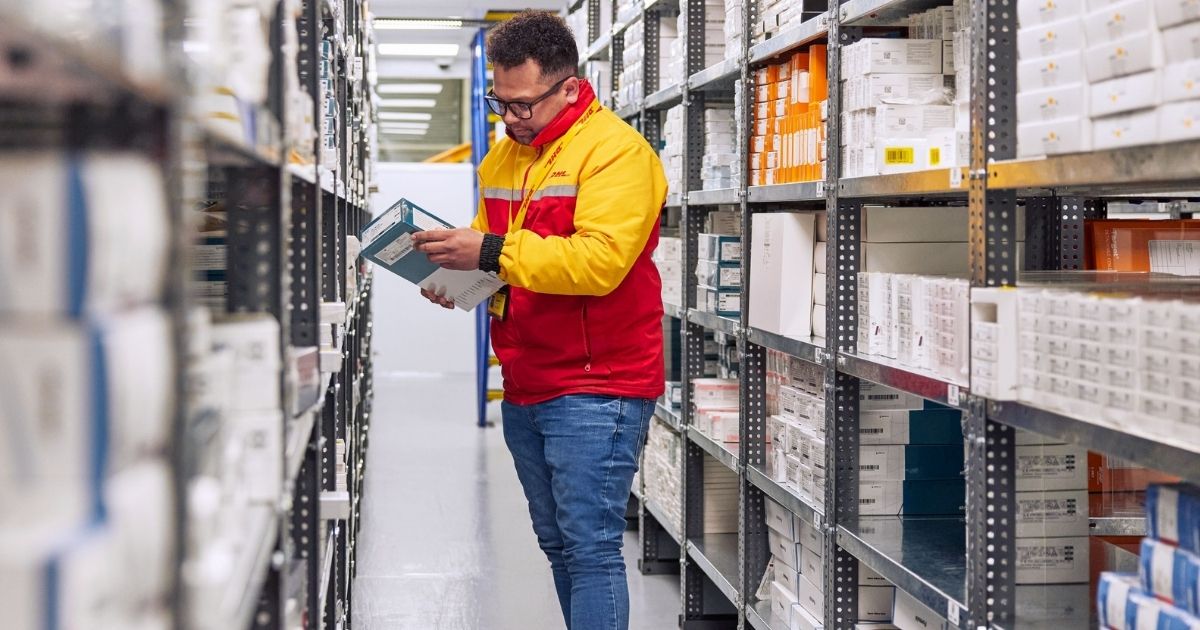
Complementing the specialized warehouses are sophisticated inventory management systems to balance supply and demand. These systems involve precise demand forecasting for critical medicines, rigorous FEFO management to minimize waste, and the optimization of safety stock levels to prevent stockouts during emergencies.
Precision transportation and distribution
Advanced cold chain management processes come into play when the product is transported to and from the warehouse, encompassing active (powered) or passive (insulated) shipping solutions. Transport modes across air, sea, or road are also rigorously optimized based on the product's urgency, stability, and cost-effectiveness. Last-mile solutions are further tailored for specific endpoints, from large hospital receiving docks to discreet direct-to-patient (DTP) deliveries.
Robust track and trace systems
Given the sensitivity of healthcare goods, the entire supply chain process needs to be visible. Modern healthcare logistics leverage track and trace technology powered by Internet of Things (IoT) for end-to-end tracking. Such integration enables real-time monitoring of not just location but also temperature, humidity, and shock. Serialization and aggregation further provide a complete chain of custody, fighting counterfeits and streamlining recalls.
Reliable reverse logistics and waste management
The supply chain does not end at delivery. An effective healthcare logistics system manages product recalls efficiently and transparently, handles the return of unused or expired products, and ensures the safe, compliant disposal of medical and hazardous waste.
The role of technology and data

Underpinning all these components is a powerful digital infrastructure. Healthcare logistics providers deploy logistics management software to plan and track shipments, alongside IoT sensors that gather real-time shipment data.
Increasingly, Artificial Intelligence (AI) and Machine Learning (ML) are being explored for demand forecasting and route optimization. At the same time, blockchain technology is also being examined for its potential to offer robust security and data integrity for traceability.
Healthcare logistics requires a nuanced approach
Every detail within the anatomy of healthcare logistics plays a crucial role in achieving excellence.
This means delivering safe, effective products to patients, all while maintaining regulatory compliance to avoid costly fines and operational shutdowns. Furthermore, while pursuing efficiency and waste reduction is important, this must be achieved without sacrificing quality or safety. While achieving excellence in healthcare logistics is complex and tricky, it is essential for a system where the core metric of success is intrinsically linked to human life.
Ultimately, the anatomy of healthcare logistics is an anatomy of trust. It is the conduit that connects pharmaceutical science to the individuals who depend on it. More than just a supply chain, healthcare logistics is a lifeline, powered by technology and precision to deliver health to the world.
Frequently Asked Questions
What makes healthcare logistics so precise and critical?
Healthcare logistics demands precision because it involves delivering life-saving products where timing, temperature control, and strict compliance are crucial. Even minor deviations can compromise product safety, efficacy, and ultimately, patient outcomes, making it a truly mission-critical operation.
How does technology enhance visibility and trust in healthcare supply chains?
Technology significantly improves visibility and trust through tools like IoT tracking, AI forecasting, and blockchain. These innovations enable real-time monitoring of location, temperature, and humidity, enhance traceability, and improve decision-making, ensuring transparency and reliability throughout the entire healthcare supply chain.
What specialized components are essential for effective healthcare logistics?
Effective healthcare logistics relies on several specialized components, including segregated, temperature-controlled warehousing, advanced inventory management systems for demand forecasting and waste reduction, and precision transportation with tailored last-mile solutions. Robust track and trace systems, along with reliable reverse logistics for recalls and waste management, are also vital to maintain compliance and efficiency.
ALSO WORTH READING









 English