



Energizing solar power’s bright future with integrated logistics

The energy landscape is changing fast. Around the world, governments, businesses, and communities are embracing renewable energy – not just as a climate solution, but as a strategic investment in the future.
Among the various sources of clean energy, solar power is leading the charge. In 2024, the world added a record 597 gigawatts (GW) of solar capacity, pushing global installed capacity to 2.2 terawatts (TW). In the U.S. alone, solar accounted for 69 percent of all new electricity-generating capacity added to the grid in Q1 2025.
These numbers reflect more than just growth – they signal a transformation.
View this post on Instagram
Solar Energy Lighting the Way Forward
Solar power is no longer just a sustainable energy alternative – it is a cornerstone of global energy strategy. It is scalable, increasingly affordable, and abundant. From utility-scale solar farms in rural locations to rooftop panels in urban centers, solar is helping countries reduce their reliance on fossil fuels and central grids and meet ambitious climate targets. This is especially crucial for developing countries that use solar energy to decentralize access to power. For example, homes could produce and use solar power directly, reducing reliance on costly, government-funded grids.
Yet, the path to solar adoption is not without hurdles. The industry faces economic, regulatory, and operational challenges. And one of the biggest – and often overlooked – is logistics.
Logistics - The Hidden Backbone in Solar Energy
Behind every solar panel installed lies a complex journey. And increasingly, that journey depends on logistics. This is why the solar segment is also part of DHL's broader focus on the New Energy sector. This strategic growth area encompasses the development of end-to-end logistics solutions for eight segments: wind, solar, EV and batteries, battery and energy storage systems, EV charging, grid, alternative fuel and hydrogen.
DHL’s dedicated New Energy Logistics, which connects the dots for the myriad needs of the new energy sector, is the key to the future of new energy. “DHL New Energy Logistics is powering what’s next in energy and electrification – delivering agile, scalable, and sustainable end-to-end solutions for the whole value chain,” said Martyn Lawns, Senior Vice President, Growth Initiative – New Energy, DHL Group.
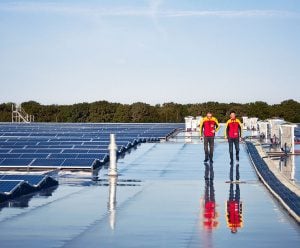
Solar panels, however, do not magically appear on rooftops or in fields. They are the result of a global supply chain that spans continents. Raw materials like silicon are mined and refined, components are manufactured in specialized facilities, and finished panels are shipped across oceans and borders.
This process involves:
- Complex supply chains with components sourced from multiple countries.
- Remote project locations with limited infrastructure.
- Tight timelines driven by seasonal installation windows and policy incentives.
- Sustainability pressures to reduce emissions across the logistics lifecycle.
In fact, logistics costs now account for up to 15 percent of total solar project budgets, driven by inflation, fuel costs, and supply chain disruptions. 35 percent of renewable energy projects reported delays in component deliveries in 2024, impacting timelines and investor confidence.
Challenges on the Road Ahead
Despite its growth, the solar industry faces persistent logistical challenges:
Supply Chain Complexity
Solar components are often sourced from multiple countries, making them vulnerable to tariffs, customs delays, and geopolitical tensions. Recent changes to anti-dumping duties on Southeast Asian imports have already led to U.S. projects experiencing delays and cancellations.
Infrastructure Bottlenecks
Many solar farms are in remote areas with limited access to roads, rail, or warehousing. This increases lead times and complicates last-mile delivery.
Sustainability Demands
Ironically, the clean energy sector still struggles to make its logistics operations more sustainable. Only 20 percent of logistics providers in the sector currently use circular practices like recycling or reusing materials.
Labor Shortages
A national truck driver shortage and lack of skilled warehouse labor are slowing down deliveries and increasing costs.
Taking a Smart Approach for Efficiency and Sustainability
To overcome these hurdles, the solar industry is turning to innovation:
- Digitized Supply Chains: AI-powered forecasting and real-time tracking are helping companies anticipate delays and manage inventory more efficiently.
- Strategic Warehousing: Climate-controlled warehouses near renewable energy hubs reduce lead times and improve reliability.
- Sustainable Transport: Low-emission fleets and optimized routing are helping reduce the carbon footprint of logistics operations. For example, DHL’s GoGreen Plus service offers sustainable fuels for both ocean and air shipping, which reduces carbon emissions directly in the supply chain.
Brightening the solar future with logistics
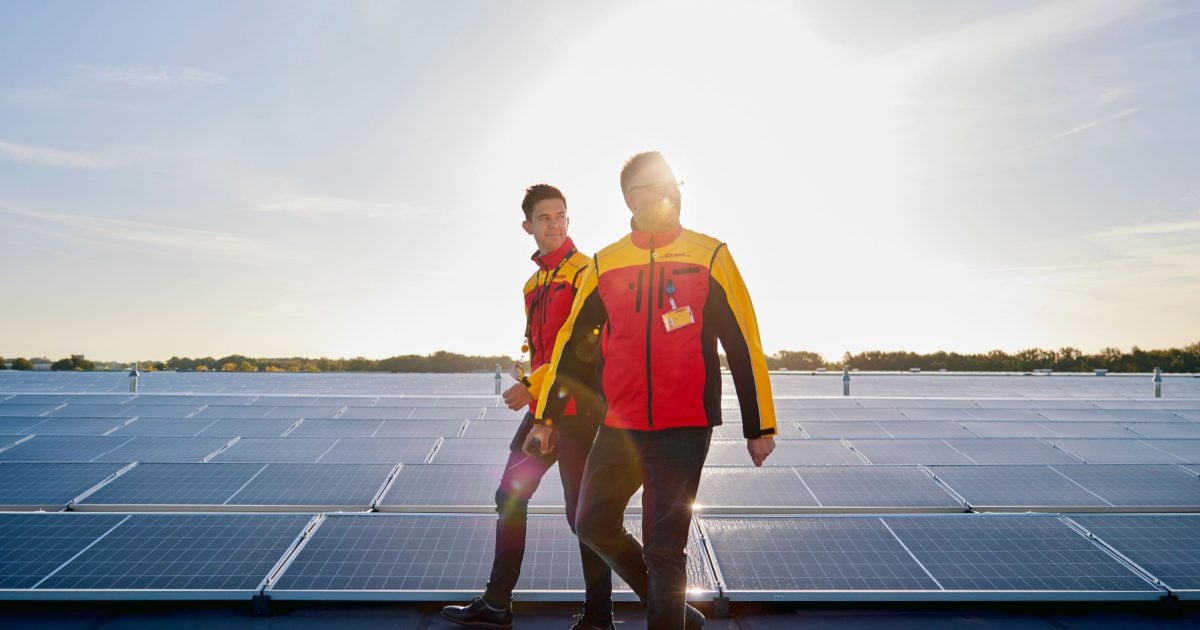
Efficient logistics is not just a support function. It is a strategic enabler of growth, sustainability, and resilience.
This is why DHL New Energy Logistics plays an active and crucial role in the sustainability narrative. “Across our functions, we have over two decades of industry knowledge in the sector, project experts across the entire energy value chain, an integrated global network that spans more than 12,000 facilities, and specialized customs experts in over 100 countries to ensure smooth cross-border operations,” noted Lawns.
The solar industry is on a fast track. But to keep pace, it needs logistics that are just as agile. That means smarter warehousing, more resilient supply chains, and emission-reduced transport solutions.
Because in the race to transform energy, it is not just about capturing sunlight – it is also about moving it.
ALSO WORTH READING







 English