



How AI is changing inventory management for e-commerce

Key takeaways
- AI improves inventory forecasting accuracy. By analyzing sales, trends, and customer behavior, AI helps businesses predict demand and optimize stock levels.
- Real-time visibility enables faster inventory decisions. Live monitoring helps prevent stockouts, reduce overstocking, and respond quickly to changing customer demand.
- AI works best with strong logistics support. Combining predictive analytics, human expertise, and reliable logistics enables more responsive and efficient supply chain operations.
For online retailers, inventory management has always involved a degree of guesswork. Forecast too conservatively, and products sell out before new stock arrives. Forecast too aggressively, and warehouses are jammed up with slow-moving inventory that affects cash flow and storage capacity.
In today’s e-commerce landscape, where shopping trends can shift overnight, relying on traditional forecasting methods alone can be detrimental in the chase for higher profit margins. Businesses are now turning to artificial intelligence (AI) and machine learning to improve how they predict demand, manage stock levels, and respond to customer behavior in real time.
Combined with human expertise and connected logistics operations, AI is helping retailers move toward a more predictive and responsive supply chain model.
Why inventory management matters more in e-commerce
Inventory management is the process of tracking, storing, and replenishing products so the right stock is available at the right time. In e-commerce, where businesses deal directly with customers who expect great customer experiences, that process carries extra weight.
Unlike a physical store, an online business can serve customers across different regions at once. Demand can spike for various reasons. Businesses expect spikes after product or campaign launches, but spikes can also occur unpredictably due to external factors such as seasonal events or social trends. A product deemed slow-moving can suddenly become the hot item everyone wants to get their hands on as quickly as possible.
That volatility makes traditional planning difficult. Manual forecasting often relies on sales history and broad assumptions. AI adds another layer by spotting patterns that are easy to miss, helping businesses make faster and more informed decisions.
How AI improves inventory forecasting
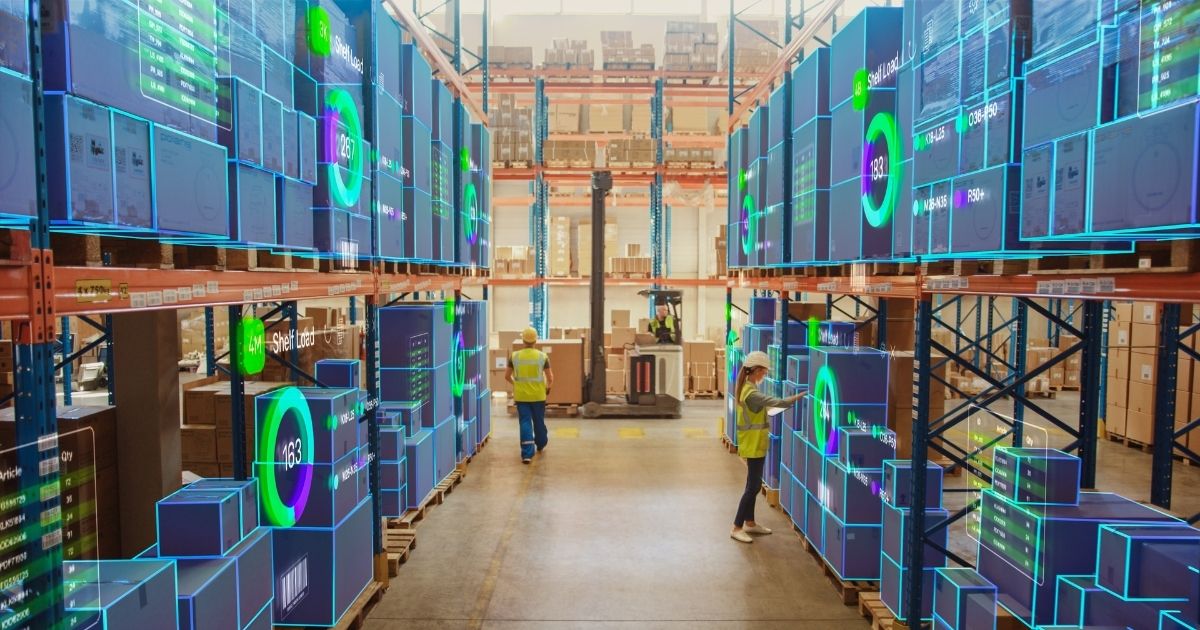
AI can process large volumes of data in much shorter times than a manual planning team. It can identify patterns across product categories, customer behavior, location, and timing, and then use those patterns to predict future demand.
For example, a fashion retailer with a vast inventory that services multiple locations may take a while to notice that certain sizes or colors sell out faster than others. With AI, the retailer can pick up on these trends earlier through AI-triggered notifications that replenishment of certain stock needs to happen sooner. Sales can rise around payday periods, holiday campaigns, or viral content. AI can consider these signals in its forecasts as well.
This is especially useful for businesses managing a wide product range where AI can support more precise stock decisions by product, channel, and market.
Real-time monitoring makes for a more responsive inventory
Forecasting is only part of a bigger picture. Real-time inventory monitoring helps businesses act on those forecasts before problems start.
With live inventory visibility, teams can see what is selling fast, what is slowing down, and where stock is moving across different locations. That matters when orders are coming in from multiple channels and every delay affects customer experience.
A real-time system can alert teams when stock levels drop below a threshold, when demand suddenly increases, or when replenishment is needed in a specific warehouse. It can also help businesses avoid one of the biggest inventory problems in e-commerce—a product being overstocked in one location and understocked in another.
What makes AI inventory planning effective
AI works best when it is paired with strong operational data. Clean product information, accurate sales records, and connected systems all matter. Without that foundation, forecasts can become less reliable.
It also helps when businesses treat AI as a support tool rather than a replacement for human judgment. The strongest inventory decisions often come from combining algorithmic forecasting with the experience of planners, merchants, and logistics teams.
That blend matters because no model can predict every market shift. Human oversight is still needed to interpret unusual events, launch campaigns, address supplier issues, or changes in customer behavior.
Completing the picture with reliable logistics
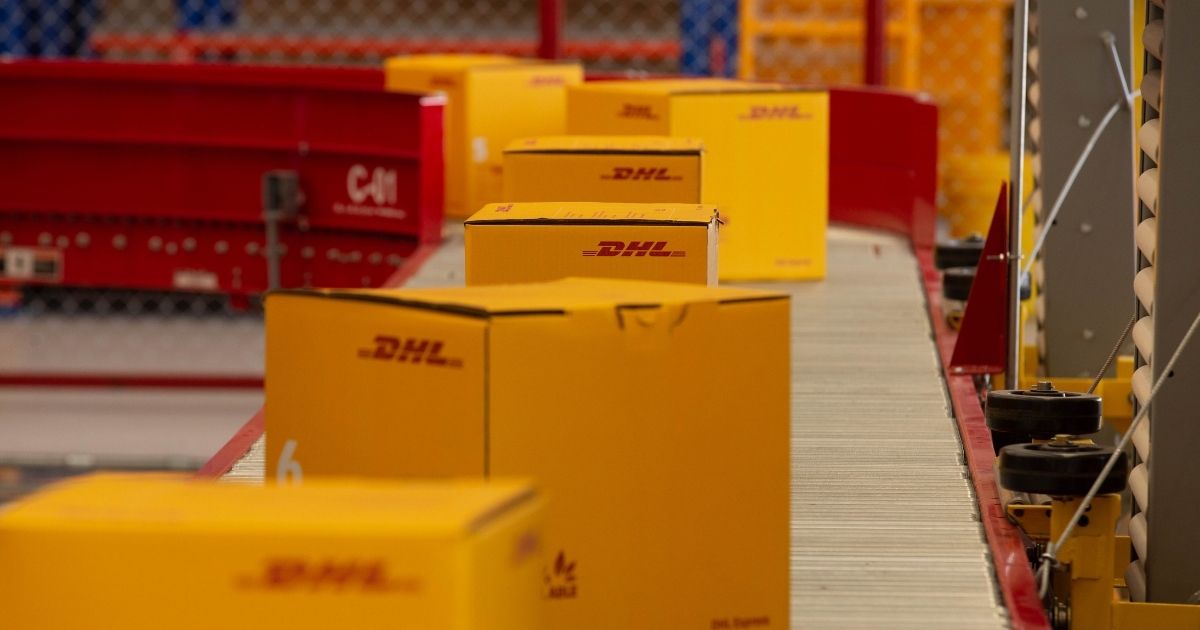
Smarter inventory planning only works when the physical movement of goods can keep up.
That is why a reliable logistics partner like DHL plays such an important role when a business adopts AI-powered inventory strategies. Such a logistics partner can enable faster replenishment, better warehouse visibility, and more flexible shipping options, helping businesses turn predictions into action. When inventory is positioned well and transported efficiently, businesses can respond to demand without unnecessary delays.
For businesses looking to reduce the carbon footprint of their shipments, DHL also offers solutions such as GoGreen Plus, which is designed to support lower-emission logistics choices across air and freight networks.
Unlike traditional carbon offsetting programs, GoGreen Plus uses a carbon insetting approach, helping reduce emissions directly within the logistics value chain. DHL also offers GoGreen Plus Flex, which gives businesses more flexibility to choose different levels of emissions reduction based on their sustainability goals and operational needs, while supporting the use of lower-emission technologies and fuels across the DHL Freight network.
The future of stock control is more connected
For e-commerce businesses under pressure to do more with less, that shift is already underway.
As AI-powered forecasting and real-time inventory management become increasingly important in e-commerce, businesses also need flexible logistics solutions that can scale with demand. DHL supports businesses in this way with integrated shipping tools, shipment visibility, and global delivery solutions designed to help improve operational efficiency across supply chains.

ALSO WORTH READING









 English