


Thermal Runaway Containment Procedures
What is thermal runaway containment?
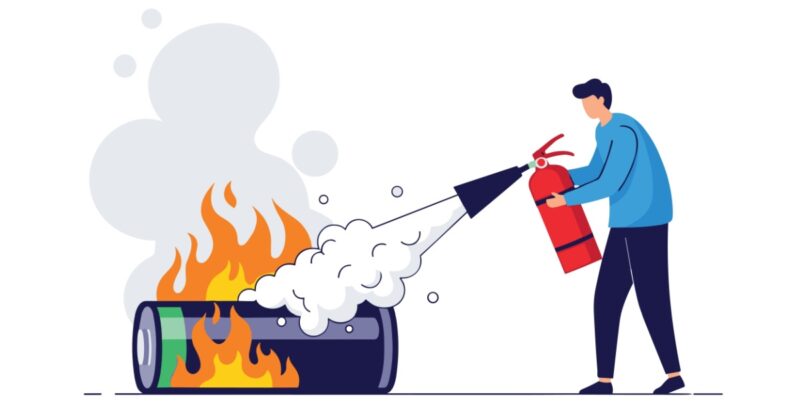
Thermal runaway containment refers to the actions, systems, and safeguards used to manage a battery incident in which heat generation accelerates at an unacceptable rate. Instead of stopping thermal runaway entirely, containment focuses on limiting its spread, reducing its impact, and protecting people, assets, and surrounding infrastructure.
Why are thermal runaway containment procedures necessary?
Incidents of thermal runaway can be difficult or impossible to stop once they begin. Thermal runaway containment procedures are therefore critical to preventing a single failing cell from triggering issues in adjacent cells, igniting fires, or releasing hazardous gases.
Well‑designed containment procedures reduce the risk of cascading failures, limit damage to facilities and equipment, protect personnel, and support regulatory compliance. They also improve overall confidence in battery technologies by demonstrating that risks are understood and managed, even in worst‑case scenarios.
What do thermal runaway containment procedures include?
Thermal runaway containment procedures can involve physical barriers, fire-resistant enclosures, controlled venting paths, cooling or suppression systems, and emergency response steps.
Operational procedures may include isolating affected units, maintaining safe distances, activating monitoring alarms, and coordinating with trained response teams to manage the thermal runaway incident.
Where are thermal runaway containment procedures commonly applied?
Any environment handling high‑energy batteries at scale typically requires defined containment and response protocols. Thermal runaway containment is used in battery energy storage systems (BESS), electric vehicle charging facilities, battery warehouses, transport units for lithium‑ion batteries, and manufacturing or recycling sites.




 English