


Sustainable Marine Fuel
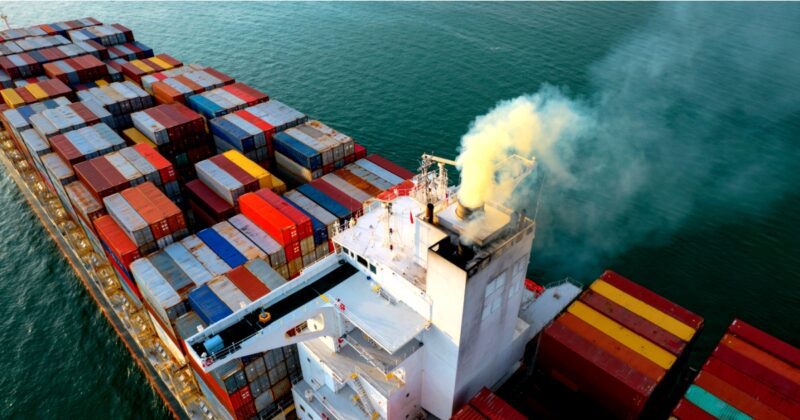
What is Sustainable Marine Fuel?
Sustainable marine fuel refers to low-carbon or renewable energy sources used to power ships, reducing greenhouse gas (GHG) emissions and environmental impact. Unlike heavy fuel oil, these fuels come from sustainable feedstocks such as biomass, waste oils, or advanced synthetic processes.
Why is it important for shipping?
Shipping underpins global trade but is a major source of carbon emissions and air pollution. Sustainable marine fuels help meet International Maritime Organization (IMO) targets, improve air quality, and support companies in achieving ESG commitments and greener supply chains.
What types of sustainable marine fuels exist?
- Biofuels: Derived from renewable biological sources like used cooking oil or agricultural waste.
- Liquefied Natural Gas (LNG): Lower emissions than heavy fuel oil, though not fully carbon-neutral.
- Methanol and Ammonia: Emerging zero-carbon options when produced using green energy.
- Synthetic Fuels (e-fuels): Created from captured CO₂ and renewable electricity.
How does sustainable marine fuel benefit the environment?
Switching to sustainable marine fuels can cut lifecycle emissions by up to 80 percent, depending on the fuel type. They also reduce sulfur oxides and nitrogen oxides, improving air quality and reducing ocean acidification.
What are the challenges associated with sustainable marine fuel?
High production costs, limited supply, and lack of global infrastructure are major hurdles. These factors slow adoption and increase operational complexity for shipping companies.
How is the industry addressing these challenges?
Solutions include scaling up production through partnerships, investing in bunkering infrastructure at key ports, and incentivizing adoption via carbon pricing and green financing. Research into next-generation fuels and pilot projects by leading carriers is paving the way for wider availability and cost reductions.
How is DHL committing to the use of sustainable marine fuel?
DHL is strengthening its ocean decarbonization efforts through partnerships that make low‑carbon marine fuel more accessible to its customers. Together with CMA CGM, DHL has agreed to jointly use 8,990 metric tons of UCOME second‑generation biofuel, which is expected to enable around 25,000 metric tons of CO₂e well‑to‑wake emission reductions for ocean freight shipped under DHL’s GoGreen Plus service.




 English