


Slow Steaming
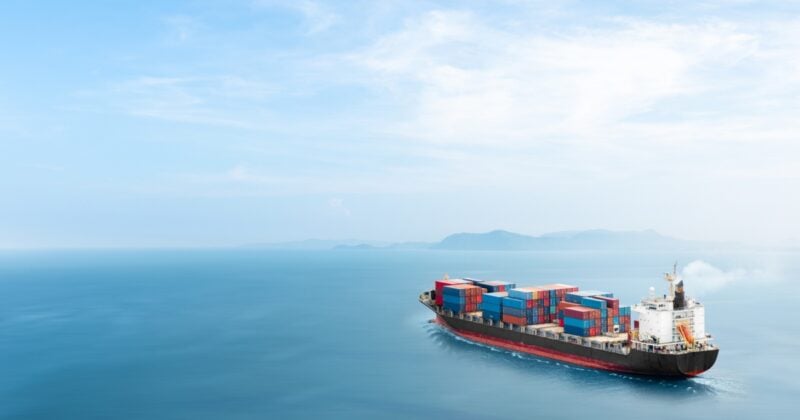
What is slow steaming in shipping?
Slow steaming is the practice of operating ocean vessels at reduced speeds—typically 14–18 knots instead of 20–25 knots.
How does slow steaming work?
Slow steaming works by lowering engine output, which reduces fuel burn per voyage. Because fuel consumption rises sharply at higher speeds, even modest speed reductions generate significant savings. Carriers adjust schedules accordingly, extending transit times while maintaining service frequency across trade lanes.
Why do shipping lines use slow steaming?
Shipping lines use slow steaming to manage operating costs and stabilize network operations. It helps offset fuel price volatility while allowing carriers to balance supply and demand. During weaker market conditions, it keeps vessels deployed without oversupplying capacity.
How does slow steaming reduce fuel costs?
Fuel consumption increases exponentially with vessel speed. By slowing down, carriers significantly reduce fuel burn per voyage, lowering operating expenses. This becomes especially important during periods of elevated fuel prices, when cost pressures intensify across global shipping networks.
How does slow steaming help manage shipping capacity?
Slow steaming absorbs excess capacity by extending voyage durations. This allows carriers to keep more vessels in circulation without increasing effective supply. As a result, it helps stabilize freight rates and maintain service coverage without relying solely on blank sailings.
How Does Slow Steaming Affect Transit Times?
Slow steaming increases transit times, sometimes by several days or even weeks on long-haul routes. While this can be challenging for time-sensitive cargo, many shippers plan for longer lead times in exchange for more predictable schedules. In some cases, slower speeds might reduce delays caused by port congestions.
When do carriers implement slow steaming?
Carriers typically implement or intensify slow steaming when fuel prices rise, demand softens, or networks face disruption. It is often one of the first operational levers used during fuel price spikes, congestion, or rerouting events to improve cost control and schedule stability.
In today’s environment, characterized by fuel price uncertainty, geopolitical tensions, and uneven demand patterns, slow steaming has become a built-in lever that carriers adjust based on market conditions.




 English