


Predictive Maintenance
What is predictive maintenance?
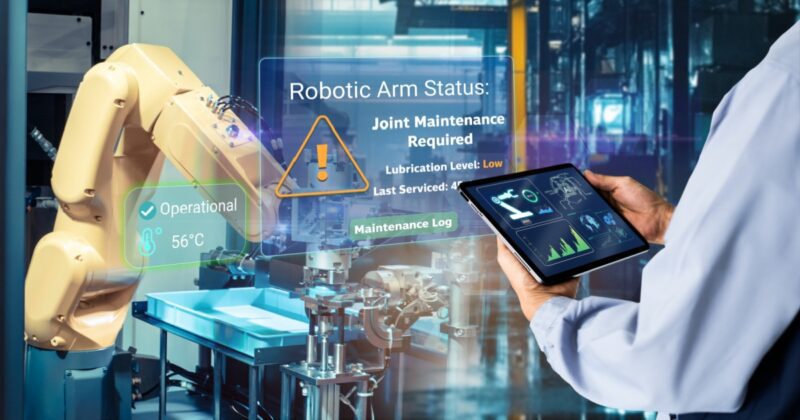
Predictive maintenance is a data-driven method of monitoring the health of machinery, vehicles, and logistics equipment using IoT sensors, vibration analysis, temperature readings, audio signatures, and other real-time inputs. These signals are analyzed—often using machine learning—to detect patterns that indicate wear, malfunction, or impending failure.
By intervening early, companies avoid unplanned downtime and maintain consistent operational performance.
Why is predictive maintenance important in logistics?
Logistics networks rely heavily on high-throughput assets such as conveyor systems, sorters, forklifts, truck fleet, and automated equipment. A single breakdown can trigger cascading delays, missed delivery windows, or increased labor and repair costs.
Predictive maintenance helps logistics providers reduce these risks by detecting anomalies before they lead to failures, enabling repairs to be scheduled at optimal times without disrupting operations. This, in turn, can reduce unplanned downtime, extend asset life, improve equipment reliability, and lower maintenance costs by preventing unnecessary scheduled servicing.
Logistics providers who utilize predictive maintenance report meaningful gains, including improved operational continuity and more efficient use of technicians and spare parts.
How does predictive maintenance work?
Predictive maintenance systems use embedded IoT sensors to capture data such as vibration, temperature, noise, current draw, and performance metrics. This data is processed locally or in the cloud, where analytics tools and AI models identify deviations from normal behavior. When a critical threshold is crossed, the system generates alerts or automatically triggers maintenance work orders.
What technologies are used in predictive maintenance?
Predictive maintenance solutions typically combine the following technologies:
- IoT sensors that continuously monitor asset conditions
- Edge or cloud analytics for processing live data streams
- Machine learning models for anomaly detection, failure prediction, and estimation of an asset’s remaining useful life
- Automated integration with maintenance management systems
These technologies allow predictive maintenance models to improve over time as more operational data becomes available.




 English