


Dynamic Delivery Promise (DDP) Engine
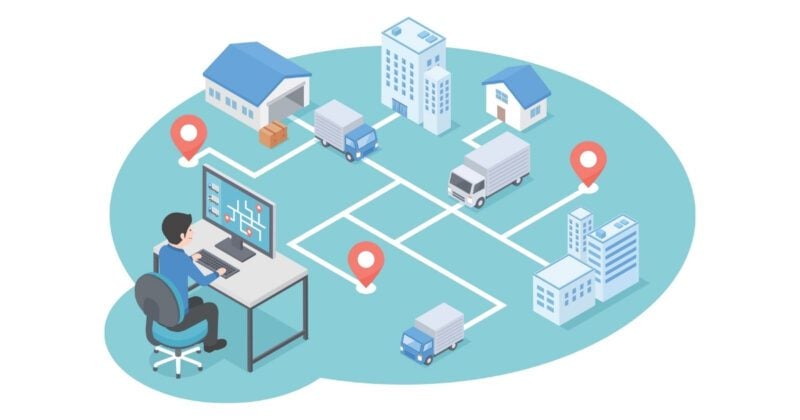
What is a dynamic delivery promise (DDP) engine?
A dynamic delivery promise (DDP) engine is a decision system used in e-commerce and omnichannel logistics to determine when a customer can realistically receive their order.
Unlike static delivery estimates, a DDP engine generates promises dynamically for each order, taking into account real-time conditions across the fulfillment and transport network.
What are the benefits of a dynamic delivery promise (DDP) engine?
Delivery speed and reliability strongly influence customer satisfaction and conversion rates. Over-promising can lead to missed deliveries and customer complaints, while under-promising can lead to reduced sales. A DDP engine helps strike the right balance by aligning customer expectations with what can be achieved at that moment.
A well-implemented DDP engine improves promise accuracy, reduces delivery exceptions and customer service inquiries, and increases trust. For businesses, it also supports better network utilization by steering orders toward fulfillment options that most efficiently meet service commitments.
How does a dynamic delivery promise (DDP) engine work?
A DDP engine does real-time analysis of multiple data points including inventory availability, fulfillment cut-off times, warehouse capacity, route constraints, and destination location. Based on these factors, the DDP engine calculates the fastest and most reliable delivery option and presents that option when a customer reaches the check-out or order confirmation page of an e-commerce platform.
Where are dynamic delivery promise (DDP) engines typically used?
Dynamic delivery promise (DDP) engines are commonly used in e-commerce check-out pages, order management systems, and customer communication platforms. DDP engines are especially valuable in same-day, next-day, and quick commerce models where delivery timelines are tight and conditions change rapidly.




 English