


Delivery Exception
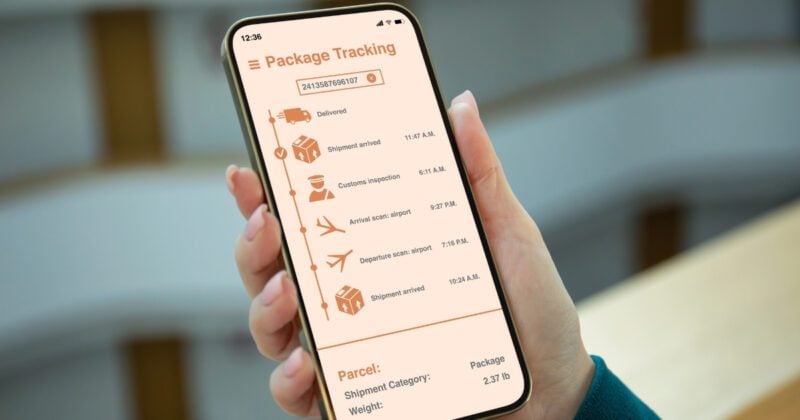
What is a delivery exception?
A delivery exception occurs when something disrupts the normal delivery process, causing a delay, reroute, or failed delivery attempt. When this happens, the delivery requires additional action before it can be completed.
What causes delivery exceptions?
Delivery exceptions can be triggered by various factors, including:
- Incorrect or incomplete addresses
- Recipient being unavailable
- Custom delays
- Adverse weather
- Traffic disruptions
- Operational issues such as capacity shortages or vehicle breakdowns.
How are delivery exceptions managed?
When a delivery exception occurs, the logistics provider records the issue and updates the shipment status. Depending on the situation, the delivery may be rescheduled, redirected to an alternate location, held for pick-up, or returned to the sender.
Clear communication with the customer is also critical for maintaining customer satisfaction and resolving exceptions quickly.
Why are delivery exceptions important to track?
Tracking delivery exceptions helps companies identify recurring problems, improve delivery accuracy, and enhance customer experience. High exception rates may indicate issues with address quality, network design, or service processes that require corrective action.
For customers, delivery exceptions can cause inconvenience or uncertainty. For businesses, delivery exceptions increase costs from redelivery, additional handling, and customer service effort. Effective exception management helps reduce these costs and maintain customer trust.




 English