


Chain of Custody
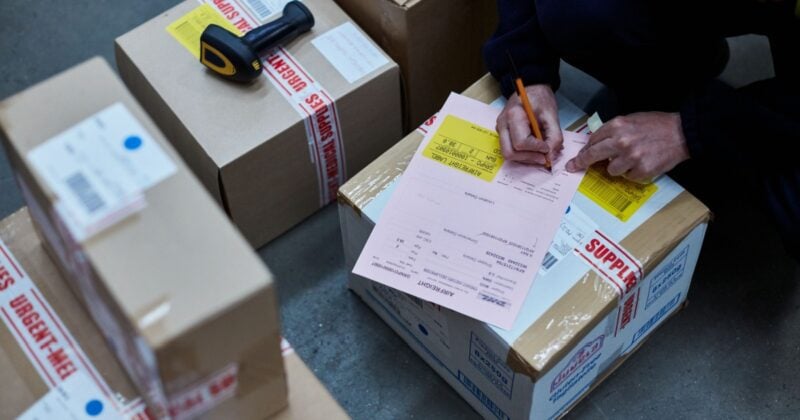
What is chain of custody?
Chain of custody refers to the recorded sequence of individuals, organizations, or locations that take possession of a product as it moves from origin to final destination. Each transfer is documented to show who handled the goods, when they were transferred, and under what conditions.
What are the benefits of a chain of custody?
A strong chain of custody improves transparency, reduces the risk of theft or tampering, supports regulatory compliance, and enables faster investigations in case of issues. It also builds trust with customers and stakeholders by providing clear proof of how goods were handled throughout their journey.
Why is a chain of custody important?
Maintaining a clear chain of custody helps ensure that products remain secure and untampered with throughout the supply chain. It is especially critical in industries such as pharmaceuticals, healthcare, food, and high-value goods, where safety, compliance, and product integrity are essential.
How does a chain of custody work?
At every handover point in a shipment—including between supplier, warehouse, transport provider, and final recipient—records are created to confirm the transfer. These records may include timestamps, signatures, shipment details, and condition checks.
Increasingly, digital systems such as tracking platforms, barcodes, and blockchain solutions are used to maintain accurate, real-time custody records.
Where are chains of custody commonly used?
Chains of custody are widely used in regulated and sensitive supply chains, including life sciences, food safety, legal evidence handling, and high-value electronics. It is also essential in logistics operations that require full traceability and accountability across multiple partners.




 English