


Battery Energy Storage System (BESS)
What is a battery energy storage system?
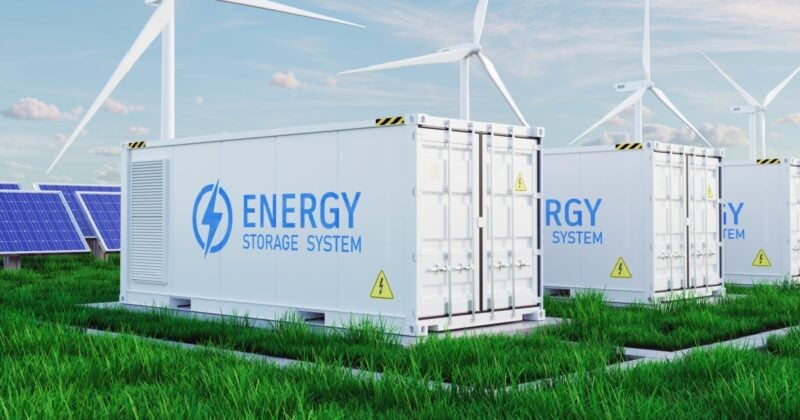
A battery energy storage system (BESS) is an integrated system comprising batteries, power conversion equipment, control software, and thermal management systems. Together, they store electrical energy as chemical energy and release it back into the grid or a local load when needed.
A BESS can charge from renewable sources like wind or solar, or directly from the utility grid during low-demand periods.
What benefits do battery energy storage systems provide?
Battery energy storage systems offer fast response times, improved grid flexibility, reduced reliance on peaking power plants, and lower energy costs by shifting consumption to off-peak hours. They also enhance energy security by maintaining supply during disruptions and make renewable energy more predictable and useful for customers.
Why are battery energy storage systems important?
Battery energy storage system solutions play a crucial role in modern power systems by helping overcome the variability of renewable energy. They smooth out fluctuations in solar and wind power generation, support grid frequency and voltage, and provide rapid back-up during outages. This makes BESS essential for improving grid resilience and enabling higher penetration of carbon-neutral energy sources.
What are battery energy storage systems used for?
Battery energy storage system installations provide a range of services, including:
- Peak shaving: reducing demand during high‑load periods.
- Renewable firming: delivering consistent output from intermittent solar and wind sources.
- Grid stabilization: supporting frequency regulation and voltage control.
- Back-up power: supplying critical loads during outages or disruptions.
These applications improve energy reliability, reduce emissions, and support cost‑efficient grid operations.
Where are battery energy storage systems commonly deployed?
Battery energy storage system units are used by utilities, independent power producers, data centers, commercial facilities, and renewable energy sites.
They are often co-located with solar farms, wind farms, or near substations, and can be installed in both large-scale outdoor containers and smaller commercial or industrial sites. Their rapid deployment and compact footprint make them suitable for use in dense urban areas.




 English