



Delivering the future: shipping solar panels safely and efficiently

The world has shifted towards a paradigm of sustainability, and solar energy has emerged as a prominent alternative to traditional carbon-emitting fossil fuels. Of the US$3.3 trillion that the world is expected to invest in global energy in 2025, solar energy is expected to take the lion’s share, with investments in both utility-scale and rooftop projects expected to reach US$450 billion. This burgeoning new energy landscape is plain to see, with photovoltaic arrays appearing on urban rooftops, across arid deserts, and in sprawling rural fields.
A monumental logistical effort enables this clean energy revolution. Originating in concentrated manufacturing facilities and ending at often remote installation sites, the journey of a solar panel is a complex ballet of planning, protection, and precision.
The journey begins with fastidious packaging
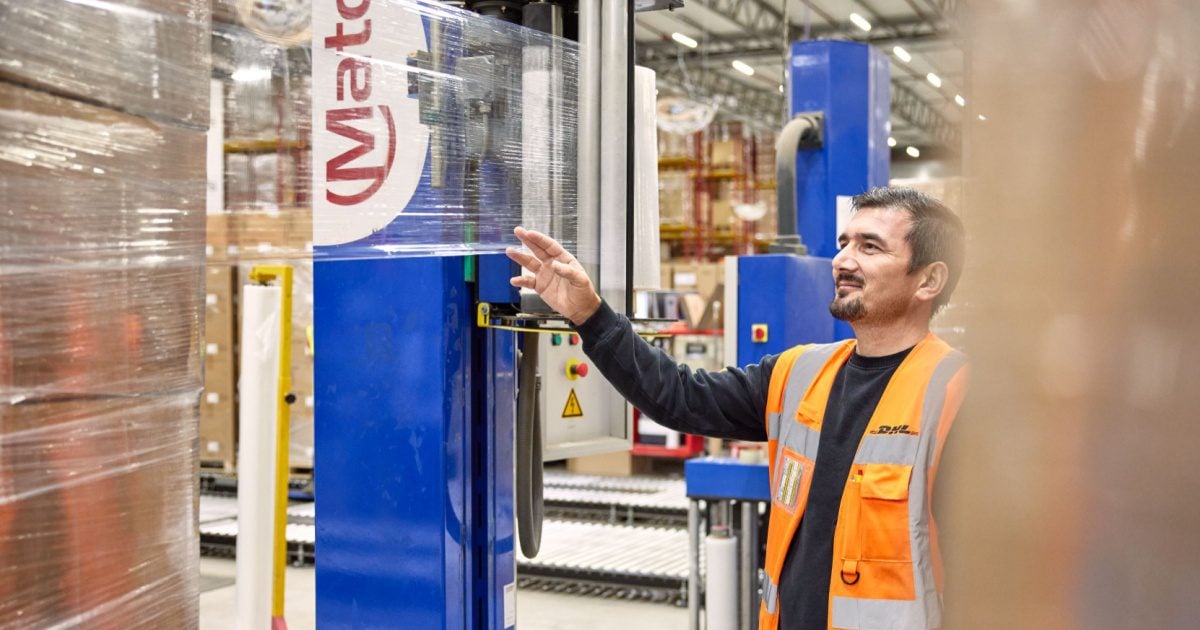
Every solar panel contains a delicate architecture of minuscule crystalline silicon cells, which are susceptible to micro cracks. These tiny fractures can dramatically compromise a panel’s efficiency and operational lifespan.
Proper packaging is, therefore, the first and most crucial line of defense against these and other forms of physical damage. A multi-layered cargo packaging strategy is used, beginning with sturdy outer packaging. This typically takes the form of specially reinforced, multi-wall cardboard boxes.
Within each cardboard box, a cocoon of protective materials, including high-density foam padding, bubble wrap, and resilient corner protectors, is used to absorb shocks and vibrations experienced during travel. To prevent panel-on-panel damage from friction, separators such as soft cardboard or thin rubber sheets are placed between each unit.
Crucially, the solar panels have to be appropriately stacked for shipping. Vertical stacking is recommended as this distributes pressure evenly along the stronger edges of the panel frames. While horizontal stacking is more space-efficient, it carries the risk of top-to-bottom pressure-induced micro-cracks occurring on the fragile glass surfaces of the panels at the bottom of the stack.
After being safely packed with solar panels, each cardboard box containing between 28 to 30 solar panels is then placed atop a pallet before being sealed, strapped, and wrapped in plastic film. They are then marked with prominent, universally understood labeling, such as "Fragile", "Handle With Care", and "This Side Up", to facilitate careful handling.
Choosing the right modes to ship solar panels
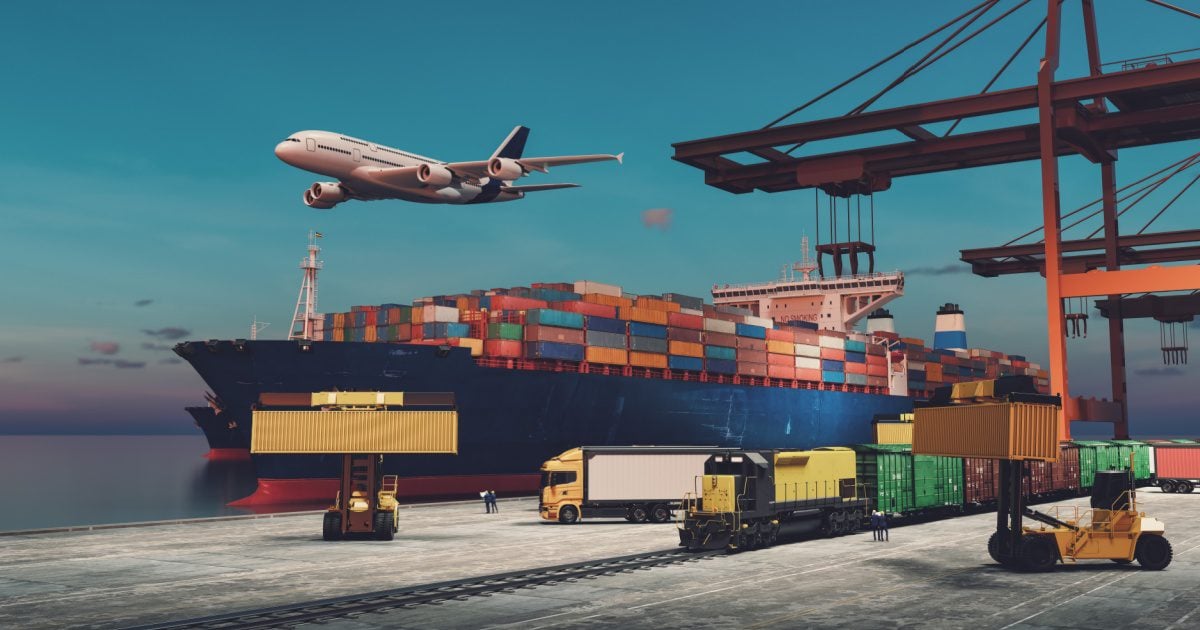
The next strategic decision is determining the optimal modes of transport. The solar supply chain relies on a sophisticated, intermodal approach to balance speed, cost, and volume. An expert logistics provider analyzes the specific needs of each solar panel shipment and engineers the most effective end-to-end strategy based on key factors such as size, budget, and timeline.
Ocean freight is the core workhorse of global solar distribution, especially when great volumes of full-container and less-than-container loads of solar panels are shipped port-to-port between continents.
For more time-sensitive deliveries, air freight is the preferred option. Although more expensive, this method is indispensable when meeting urgent project deadlines, delivering replacement parts, or for high-value, time-sensitive deployments where the cost of delay outweighs the cost of transport.
When the solar panels reach either port or airport, the last-mile journey is almost always handled via road freight. Utilizing a combination of Full Truckload (FTL) shipping for large, dedicated project deliveries and Less-than-Truckload (LTL) shipping for smaller, consolidated shipments, this mode delivers panels directly to installation sites, whether at urban commercial centers or remote solar farms.
Rail freight is occasionally considered for long overland journeys across vast continents. This mode of transport offers a balance of speed and economy for long-distance travel and is a viable option for moving large quantities of solar panels from ports to inland distribution hubs.
Location matters
The next major factor to consider is the global solar photovoltaic (PV) supply chain. Historically, the manufacturing capacity of solar PV panels has been concentrated in a few key regions such as China, U.S., and Europe. While this concentration has driven down costs through economies of scale, it has also created potential vulnerabilities and choke points that are susceptible to geopolitical shifts, trade policy changes, and other disruptions.
In response, a nascent but powerful movement to diversify the solar PV supply chain is reshaping the landscape. Recognizing the need for a more secure and resilient solar energy future, nations and corporations are investing heavily in building manufacturing capabilities and raw material supply lines around the world. New production hubs are emerging in Asia, North America, and Europe, creating a more distributed and robust global network.
Some countries are looking inwards for solutions. In the U.S., then-President Joseph Biden signed the Inflation Reduction Act (IRA) in August 2022 to stimulate domestic solar PV manufacturing. Japan, recognizing its limitations in manufacturing crystalline silicon, chose to focus on developing perovskite, a thin, light, and flexible alternative made with iodine.
This strategic diversification is crucial to ensuring a steady flow of solar components needed to meet the global shift towards clean energy, without any one nation monopolizing the production and movement of key components.
The digital dawn of solar logistics
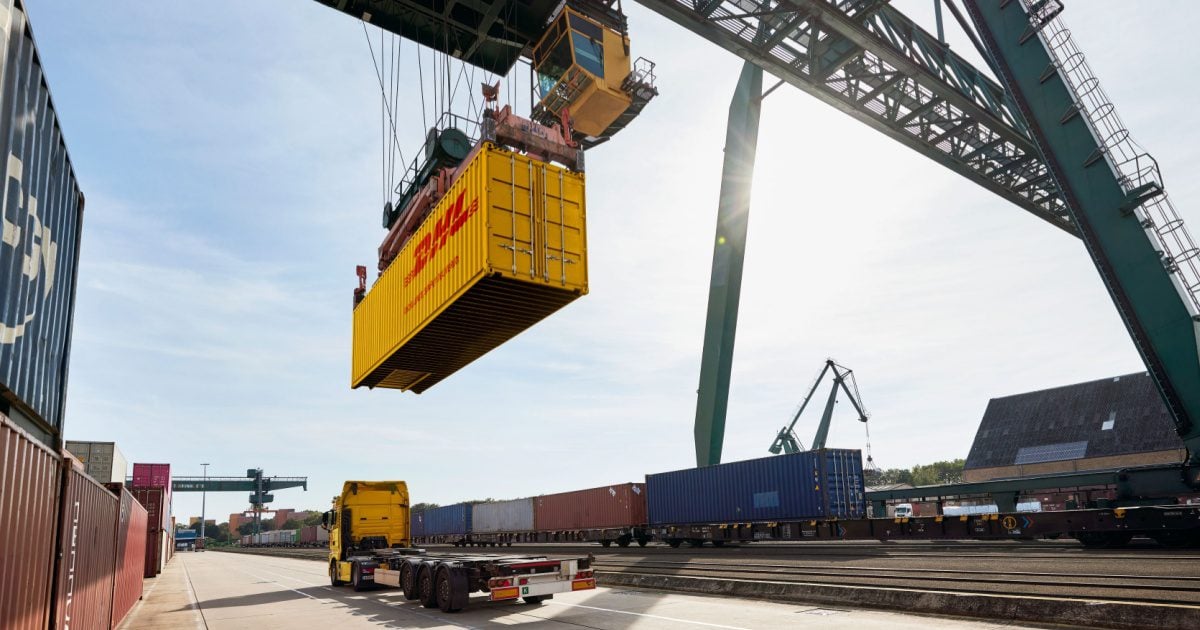
Looking ahead, solar logistics is poised to develop with the advancement of technology and a deepening commitment to sustainability.
The Internet of Things (IoT) offers a two-pronged approach, enabling real-time tracking of a shipment's location and also critical environmental data such as temperature, humidity, and shock exposure. Blockchain technology has also been actively explored for its ability to streamline supply chains, fortifying traceability and security to verify authenticity and combat counterfeits.
To complement the use of technology, reverse logistics will also become a critical part of solar logistics for sustainability. This process facilitates the return and recycling of decommissioned solar panels, reducing waste by ensuring valuable materials such as silver, copper, and silicon are recovered.
Sustainability efforts in the logistics industry share a common goal to reduce the overall carbon footprint. Towards this end, solar panel transportation utilizes key methods such as route optimization, fuel-efficient vehicles and vessels, and alternative fuels.
Accelerating a global transition to a sustainable future
The seamless, multifaceted journey of a solar panel from factory item to functioning on-site power source stands as a testament to the remarkable capabilities of modern logistics.
Experienced logistics providers such as DHL act as trusted stewards who navigate a high-stakes environment to oversee meticulous packaging protocols, multimodal transport planning, and the strategic navigation of a dynamic global supply chain. Solar panels, following the stringent protocols accorded to heavy-duty shipments, are expertly steered through the often-byzantine world of customs. Necessary regulations are adhered to and risks are proactively mitigated, all while high levels of efficiency are maintained.
As such, logistics play an instrumental role in accelerating the global transition to renewable energy, delivering the building blocks of a brighter, cleaner, and more sustainable future—one solar panel at a time.
ALSO WORTH READING






 English